











 MIRAI TOKYO concierge team
Choosing a Shinjuku hotel for an outcall is less about finding the shortest distance to the station and more about choosing the right side of the district for your stay. West Shinjuku feels different from the east-side nightlife streets; the South Exit area serves a different itinerary from Kabukicho. Hotel styles also change from large full-service properties to compact business hotels and love hotels. This guide helps you choose an area and room first, then check the transportation fee and booking method with MIRAI TOKYO.
Contents
- Choose the Shinjuku experience before the hotel
- Match the hotel type to your plans
- If a love hotel is part of the plan
- Movement matters more than straight-line distance
- Build a shortlist ready for booking
- One safety boundary in Kabukicho
- Check the transportation fee after choosing the stay
- Move from hotel choice to booking
- Frequently asked questions
Choose the Shinjuku Experience Before the Hotel
Shinjuku is not one uniform hotel district. The railway terminal divides the area into several practical “sides,” and each side supports a different kind of trip. Start with the atmosphere and places you expect to use after check-in. Once you know whether you want quiet evenings, shopping access, nightlife, or fast onward travel, the hotel search becomes much easier.
West Shinjuku: larger hotels and a calmer business-district setting
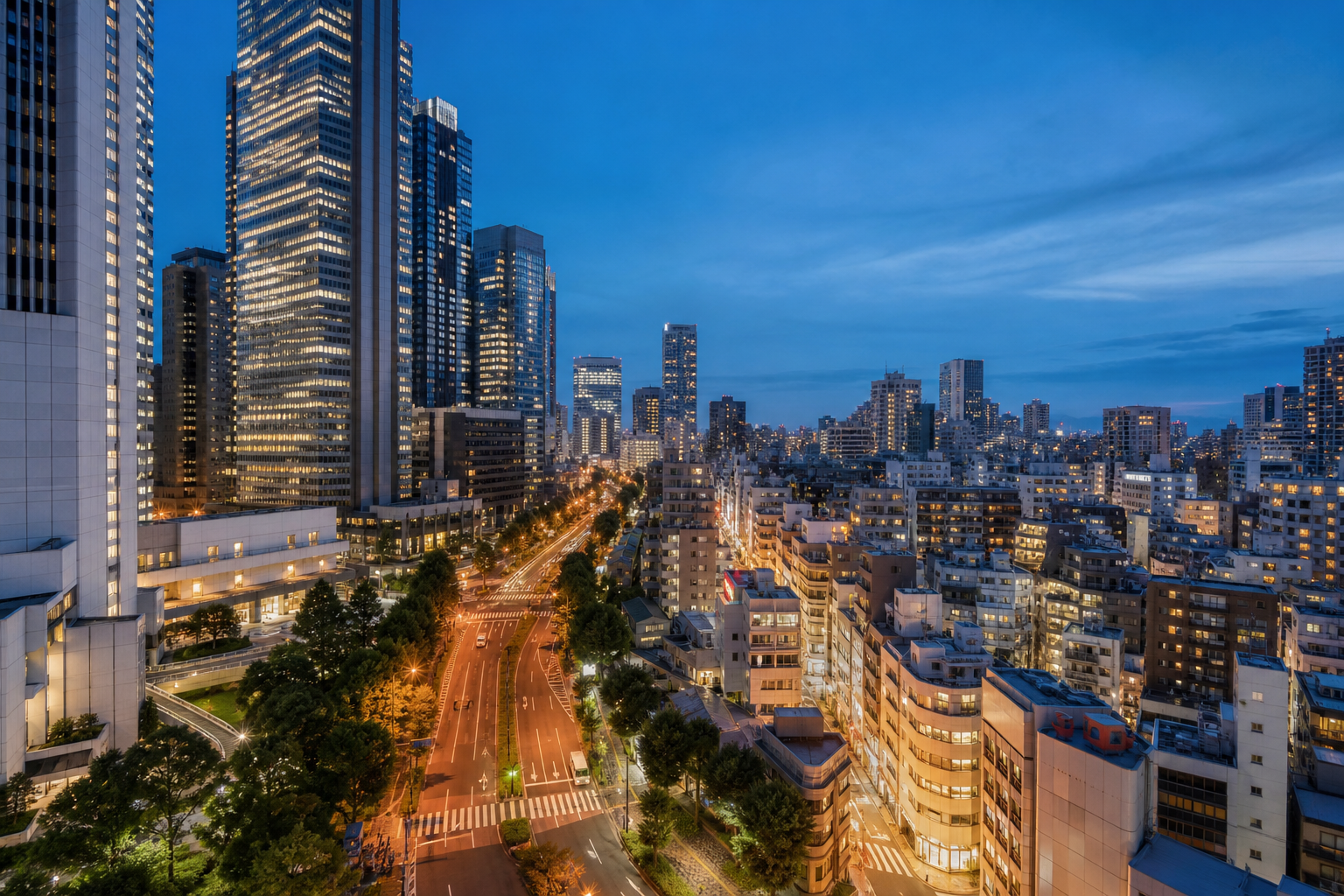
West of the main station, Nishi-Shinjuku is shaped by office towers, broad roads, and high-rise hotels. This is the side to consider when you prefer a full-service or international-style city hotel, more space around the property, and a setting that becomes quieter after the business day. Larger lobbies, restaurants, and extensive facilities are more common here than in the narrow streets east of the station.
The trade-off is distance that a simple map can hide. A tower described as close to Shinjuku may involve an underground passage, a long block, an elevated walkway, or several minutes inside a large building complex. Nishi-Shinjuku and Tochomae subway stations can sometimes be more practical than the main JR station. If your daytime schedule is mostly on the west side, staying here can reduce repeated station crossings and give the evening a more settled base.
East Shinjuku and Shinjuku-sanchome: shopping, dining, and compact convenience
The east side places department stores, restaurants, bars, and shopping streets close together. Around Shinjuku-sanchome, city hotels and compact business hotels sit among commercial buildings, with access to several subway lines as well as the main terminal. This area suits a reader who wants to leave the room and have many dining or entertainment choices within a short walk.
Convenience also means more people. Pavements, station approaches, and restaurant streets can remain busy late into the evening. A property may be geographically central yet require careful navigation through a dense block. Look at the actual entrance and the nearest useful station exit, not only the hotel’s distance from “Shinjuku Station.” The east side is often the most balanced choice when you want central activity without making Kabukicho itself the center of the stay.
Kabukicho and the Okubo edge: nightlife and the largest love-hotel choice
North and northeast of the East Exit, Kabukicho is Shinjuku’s concentrated nightlife zone. Hotels range from modern high-rise properties and compact rooms to a large number of love hotels. The streets toward Okubo and Shin-Okubo continue the dense urban feel, while adding different dining and late-night options. For a reader specifically considering a love hotel for an outcall, this side usually offers the broadest local selection.
It is also the side where the immediate block matters most. One street may feel bright and busy; another may be quieter, narrower, or farther from the station than the listing suggests. Weekend evenings can bring crowds and stronger room demand. Choose this area because the nightlife and accommodation style suit your plan, not simply because it is famous. Confirm the property’s current house rules and the exact room arrangement before fixing an appointment.
South Shinjuku and the Yoyogi side: transport convenience with a softer pace
The South Exit, New South Exit, and nearby Yoyogi side work well for travelers who prioritize trains, airport transfers, or an early departure. Modern city hotels and business hotels are common, and some streets feel less intense than the east-side entertainment center. Shinjuku-sanchome remains accessible, while Yoyogi and Sendagaya can offer useful alternatives depending on the rest of the itinerary.
This is the part of “Shinjuku” where a booking-page label can be broader than the official address. Some properties promoted for Shinjuku access are located in neighboring Shibuya Ward. That is not a disadvantage; it can be an excellent location. It only means you should keep the complete address for the later transportation-fee confirmation instead of assuming that every Shinjuku-named stay uses the same fee.
Match the Hotel Type to Your Plans
After choosing an area, decide what kind of room will support the visit. Price and star rating do not answer every practical question. The more useful questions are whether the room is appropriate, how a visitor enters, and whether the property’s rules fit the plan.
Full-service and city hotels
These are most visible in West Shinjuku and around major station approaches. They may offer larger common areas, restaurants, luggage services, and rooms designed for longer stays. They can be comfortable when the hotel is the base for several days. However, a formal lobby or prestigious name is not proof that an unregistered visitor may enter a guest floor. Ask the property about visitor registration, occupancy, and meeting procedures before booking an outcall.
Business hotels
Business hotels are found across the east, south, and wider Shinjuku area. They are often efficient, well connected, and suitable for a traveler who mainly needs a private room between activities. Rooms and entrances can be compact, and some properties use elevator security or strict registered-guest rules. Check the room occupancy on the reservation and do not assume that a double room, lobby access, or self check-in changes the property’s visitor policy.
Serviced apartments and residences
A serviced apartment can help when you want more space, a kitchen, or a longer-stay setting. Entry can involve an intercom, keypad, separate tower, or building security procedure. Confirm that the booking terms permit the intended visitor and explain the arrival method to the concierge. Share sensitive access details only through the agreed private channel and only when needed.
Love hotels
Love hotels are a distinct accommodation category, with rest and overnight plans, room-by-room availability, and property-specific check-in systems. In Shinjuku, the greatest concentration is on the Kabukicho side. They can be useful when your regular hotel does not fit the plan or when you want a room specifically for private time. They are still independent businesses: room availability, pricing, visitor entry, and house rules vary, so no district-wide promise can replace a property check.
If a Love Hotel Is Part of the Plan
Start by deciding whether you want the love hotel to be your accommodation for the night or a separate room during the stay. That choice affects check-in time, luggage, availability, and how much moving you need to do. If you already have a hotel on the west or south side, crossing the station to find a room in Kabukicho can add more time than expected. A love hotel close to the evening itinerary may be easier than choosing one only by its distance from the JR platforms.
Kabukicho and its northern edge have the widest cluster, but the best property is not necessarily the one on the busiest street. Look for a route you can follow comfortably, an entrance you can identify, a room plan that covers the intended time, and current rules that fit the booking. Demand may rise on Friday and Saturday nights, holidays, or after major events. Avoid building a tight schedule around a room that has not been secured.
The room is the guest’s arrangement. Before the companion begins traveling, tell the MIRAI TOKYO concierge the confirmed property name, complete address, expected room-ready time, and any entry procedure. Do not rely on a district name such as “Kabukicho” as the destination. If the venue changes, wait for the revised fee and arrival plan to be confirmed.
The guide below explains Tokyo’s main love-hotel districts and broader practical considerations. Use it to compare Shinjuku with other areas, then return to the actual property rules and booking details.
Best Love Hotel Districts in Tokyo | MIRAI TOKYO
Tokyo love-hotel districts explained—Ikebukuro, Shinjuku, Shibuya, Gotanda, Yushima—area guide for foreign guests choosing where to go.
Movement Matters More Than Straight-Line Distance
On a map, many Shinjuku hotels appear to sit within one compact circle. On foot, railway tracks, underground passages, large intersections, station construction, and connected commercial buildings change the experience. A ten-minute distance on the same side of the station can be simpler than a shorter route that requires finding the correct east-west passage.
Choose a hotel on the same side as the part of Shinjuku you expect to use most. If your evening is in Kabukicho, an east-side stay reduces the final move. If you have meetings in the skyscraper district, West Shinjuku avoids repeated crossings. For morning trains or an onward journey, the south side may make the departure easier. This “same-side” rule is more durable than memorizing one exit, because station routes and temporary barriers can change.
After check-in, identify the entrance that a first-time visitor should use. Large hotels may have more than one lobby or tower; small properties may have an entrance on a side street rather than the road shown by the map pin. The useful arrival message is the property name, complete address, entrance or lobby, and scheduled time. A public entrance photo can help when several connected buildings look similar.
Allow time between your own arrival and the appointment. Reaching Shinjuku Station does not mean the room is ready. You may still need to leave the platform, find the correct side, check in, confirm the room, and review the visitor procedure. If your flight or train is delayed, contact the concierge before the agreed travel begins.

Tokyo Outcall Coverage & Areas | MIRAI TOKYO
Where can outcall reach in Tokyo? Travel time, area fees, hotel rules, and how to ask for coverage and arrival windows with clarity.
Build a Shortlist Ready for Booking
A useful shortlist should contain more than room prices. Keep two or three candidates and compare them using the same questions. This prevents a visually attractive listing from hiding a difficult route or unsuitable entry policy.
- Area fit: Does the west, east, nightlife, or south-side atmosphere match the stay?
- Practical station: Which station and exit would you actually use with luggage or late at night?
- Hotel type: Do you want full-service facilities, a compact base, a longer-stay room, or a love hotel?
- Property rules: Has the property confirmed its visitor, registration, occupancy, and entry conditions?
- Final destination: Do you have the official property name and complete address ready to send?
If one candidate is slightly farther away but stays on the correct side of the station and has clear rules, it may be the better choice. Do not reserve a nonrefundable room solely because an unofficial list claims that a certain hotel accepts outcall visits. Policies can differ by property and change over time.
One Safety Boundary in Kabukicho
If your stay takes you through Kabukicho, do not follow an unsolicited street tout or accept a venue recommendation from someone who approaches you. Use MIRAI TOKYO’s official contact route and navigate to the accommodation you selected independently. The dedicated guide below covers Kabukicho safety, hygiene, and discretion in detail; this article remains focused on choosing the area and hotel.
Shinjuku & Kabukicho Outcall Guide: How to Stay Safe, Hygienic &Discreet (English OK)
Shinjuku & Kabukicho outcall guide for international travelers—how to enjoy in-room hospitality with real safety, hygiene, privacy and English support.
Check the Transportation Fee After Choosing the Stay
Once you have a hotel or love hotel in mind, check the destination against the current fee table. At the time of writing, MIRAI TOKYO lists a separate transportation fee of ¥3,000 for Shinjuku Ward. This is added separately from the selected course and any other applicable published fee.
Shinjuku is a broad travel label, not a precise fee instruction. A property can be described as near Shinjuku Station while its official address is in a neighboring ward, especially toward Yoyogi and the south side. Other stays can be farther north or east than the guest first expects. Send the concierge the exact property name and complete address before treating any amount as final. The concierge can confirm which current transportation fee applies to that destination.
Use the live MIRAI TOKYO pricing page rather than an old screenshot or article excerpt. Published amounts and coverage may change. The live page and the booking confirmation take priority, and locations outside the standard listed areas may require an individual check.
Move from Hotel Choice to Booking
After the area, hotel type, and room are decided, the booking itself can stay simple. Review the MIRAI TOKYO booking guide, then contact the concierge with your preferred date, start time, course length, and companion choice. Add the confirmed accommodation name, complete address, room-ready time, and entry procedure.
MIRAI TOKYO recommends contacting the concierge at least two to three hours ahead. Same-day requests may be possible depending on availability, but earlier coordination is useful when you are still comparing rooms or when a property’s rules need confirmation. Do not set the appointment earlier than the room can reliably be ready.
Before confirmation, check the course, transportation fee, any other applicable published fee, and payment arrangement. After check-in, send the final room or lobby detail through the agreed private channel. Keep your phone available near arrival time, and report any venue or schedule change before assuming the original plan can continue.
Frequently Asked Questions
Choose the Stay, Then Confirm the Details
Shortlist the Shinjuku side and hotel type that fit your trip. Once the room is confirmed, send the exact property name and address to the MIRAI TOKYO concierge to check the transportation fee and arrival plan.
This content is for informational purposes only and does not constitute legal advice. Transportation fees, availability, coverage, and accommodation procedures may change. Confirm the current price and all booking details with the MIRAI TOKYO concierge, and follow the rules of your hotel, residence, or chosen accommodation.