









 MIRAI TOKYO concierge team
A Bunkyo or Yushima outcall plan starts with choosing the right part of north-central Tokyo for your stay. Yushima and Hongo place you near the eastern cultural corridor; Korakuen, Kasuga, and Suidobashi offer several rail lines and a wider range of large and business-oriented hotels; the Sekiguchi and Mejirodai side favors a quieter, more destination-style stay. This guide explains those differences, the hotel formats you are likely to encounter, the movement details that matter, and how to check the current transportation fee and booking method after you choose a property.
Start with the stay, not the fee. Choose the area and hotel format that fit your itinerary, confirm the property’s current visitor and building-access rules, then send the exact property name and address to the MIRAI TOKYO concierge for the final location and transportation check.
Contents
- One ward, several different hotel bases
- Yushima and Hongo: an eastern cultural base
- Korakuen, Kasuga, and Suidobashi: connected and practical
- Sekiguchi and Mejirodai: a quieter destination stay
- Match the hotel type to the evening
- If you are specifically looking for a love hotel
- Prepare the details that make arrival easier
- Check the Bunkyo fee and booking method
- FAQ
- Summary
One Ward, Several Different Hotel Bases
Bunkyo is often described as a calm central ward, but that description is too broad to choose a hotel. The ward’s own visitor guide separates it into areas such as Yushima and Hongo, Nezu and Sendagi, Korakuen and Kasuga, Koishikawa, Hakusan and Hon-komagome, and Sekiguchi and Mejirodai. A room in one part of the ward can support a very different itinerary from a room in another.
For a visitor planning an outcall, three practical hotel patterns are especially useful. The Yushima and Hongo side connects naturally with the eastern cultural corridor and nearby Ueno and Ochanomizu areas. Korakuen, Kasuga, and Suidobashi form the ward’s most obvious multi-line hotel and event base. The Sekiguchi and Mejirodai side is quieter, greener, and more likely to make the hotel itself part of the stay.
These are planning zones, not official boundaries. Hotels marketed with familiar nearby names such as “Ueno,” “Ochanomizu,” or “Suidobashi” may sit in different wards. Use the formal street address when the transportation fee and accepted location are checked.
Yushima and Hongo: An Eastern Cultural Base
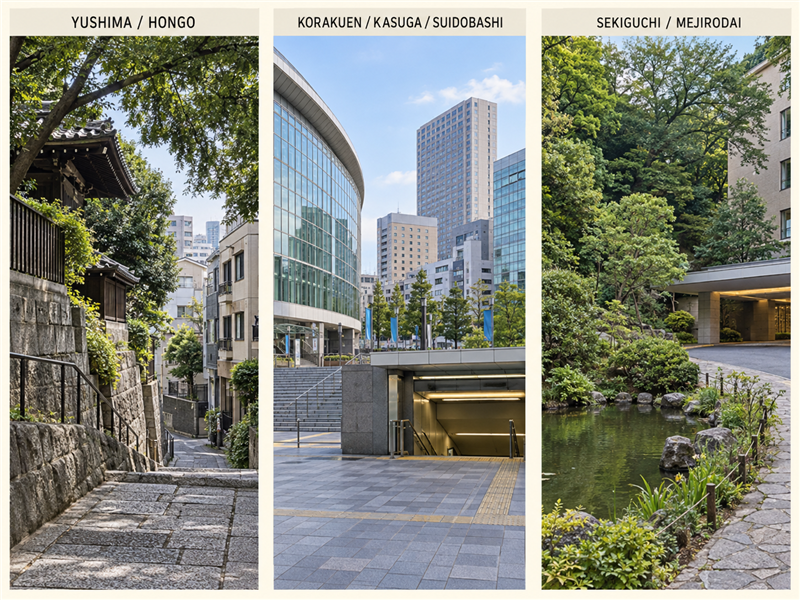
Yushima Station is on the Tokyo Metro Chiyoda Line and has a Bunkyo address. From this side of the ward, Ueno, Ochanomizu, and the older streets around Hongo feel close, even when the formal ward changes across the wider area. This makes Yushima and Hongo useful for a trip built around museums, university-related business, medical visits, or a quieter evening near eastern central Tokyo.
The hotel pattern is less uniform than a major terminal district. You may find compact city and business hotels, smaller independent accommodation, or a stay promoted through its proximity to Ueno or Ochanomizu rather than the Bunkyo name. That variety is useful, but it makes the exact listing more important. Confirm the official property name, street address, nearest station, and the entrance shown in your reservation.
Yushima also appears in searches for Tokyo love hotels. That does not mean every hotel in Yushima or Hongo belongs to that category, and it does not make every room an automatic outcall destination. Decide first whether you want a conventional hotel for your wider trip or a separate short-stay format. The two choices solve different accommodation needs.
For a district-level comparison that keeps those accommodation formats separate, see the dedicated Tokyo love-hotel guide.
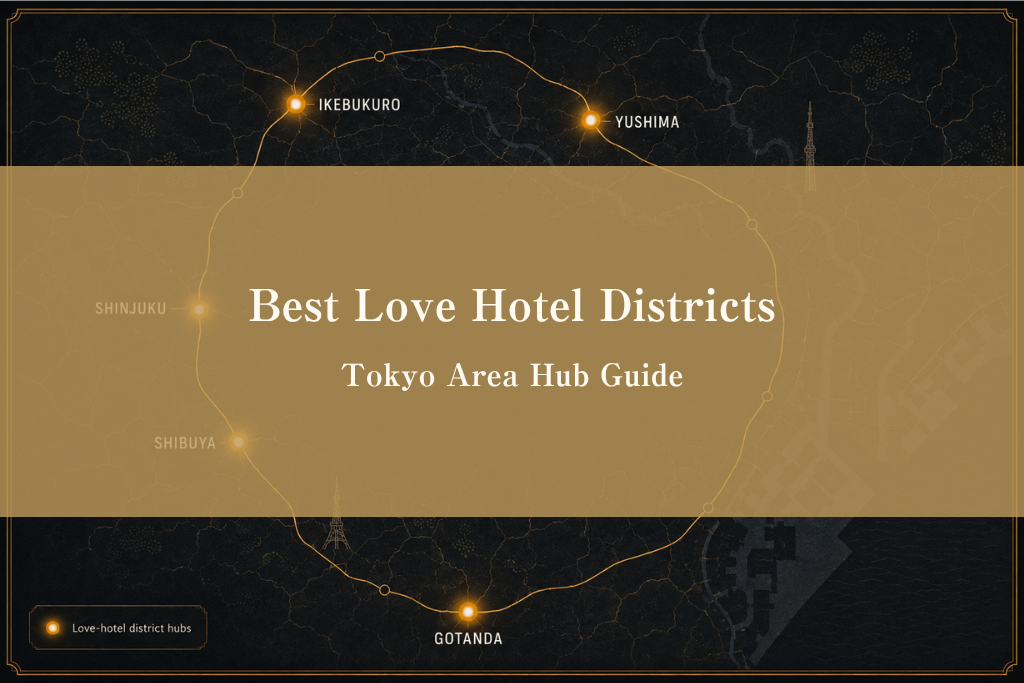
Best Love Hotel Districts in Tokyo | MIRAI TOKYO
Tokyo love-hotel districts explained—Ikebukuro, Shinjuku, Shibuya, Gotanda, Yushima—area guide for foreign guests choosing where to go.
Korakuen, Kasuga, and Suidobashi: Connected and Practical
This central cluster is the easiest part of Bunkyo to understand through transport. Depending on the property, you may use JR Suidobashi, the Toei Mita Line at Suidobashi, the Marunouchi or Namboku Line at Korakuen, or the Oedo Line at Kasuga. The stations are close enough to describe one broad base, but the most convenient exit and entrance still depend on the hotel.
The area supports events, meetings, sightseeing, and ordinary business travel. Its accommodation includes large full-service hotels as well as practical city and business properties. Choose a larger hotel when the room, dining, and on-site facilities are important parts of the stay. Choose a compact business-oriented property when rail access, a work desk, laundry, or a shorter stay matters more.
Large buildings can add distance between the street and the room. A property name may not identify the most useful entrance, while a nearby event can change pedestrian flow and taxi access. A compact hotel creates a different question: the lobby may be smaller, reception more visible, and visitor rules more restrictive. Neither format is automatically better for outcall. The useful choice is the one whose current rules and entry route you can confirm without improvisation.
Sekiguchi and Mejirodai: A Quieter Destination Stay
The western side of Bunkyo feels more residential and garden-oriented than the event corridor around Korakuen. It can suit a guest who wants a slower hotel evening, more separation from major nightlife districts, or a full-service property that functions as a destination rather than only a place to sleep.
The trade-off is movement. Bunkyo describes itself as a city of greenery and slopes, and the map distance from a station does not always show the effort between the exit, hill, driveway, and lobby. A taxi may use a different entrance from a guest arriving on foot. For a late appointment, the property driveway, reception schedule, lift access, and route from the street can matter more than the nearest-station name.
This side of the ward is not the best choice merely because it sounds quiet or luxurious. It is the better choice when you actually want the hotel-centered setting and can build the evening around its access. If most of your plans are near Ueno or an event at Suidobashi, crossing the ward repeatedly may remove the calm you hoped to gain.
Match the Hotel Type to the Evening
Area comes first, but hotel format changes how the evening works. Bunkyo is not limited to luxury hotels, and a higher room rate does not establish a more flexible visitor policy. Compare the practical features of the stay before assuming that one category is suitable.
| Hotel format | Why a traveler may choose it | What to confirm |
|---|---|---|
| Large full-service or luxury hotel | More room choice, dining, views, event facilities, and a hotel-centered stay | Correct tower or entrance, visitor registration, guest-floor access, lift or key controls |
| City or business hotel | Useful station access, efficient rooms, desks, laundry, and shorter business stays | Registered occupancy, outside-visitor policy, reception hours, lobby meeting requirements |
| Serviced apartment or residence-style stay | More living space, kitchen or laundry facilities, and longer stays | Building name, intercom, auto-lock, lift access, visitor permission, late-night entry |
A hotel website can confirm the address, room, facilities, and station access. It may not publish a clear answer about unregistered adult visitors. If the rule is unclear, ask the property directly. Then make a separate check with MIRAI TOKYO: a hotel allowing a visitor does not by itself confirm that the requested address and time can be accepted.
If You Are Specifically Looking for a Love Hotel
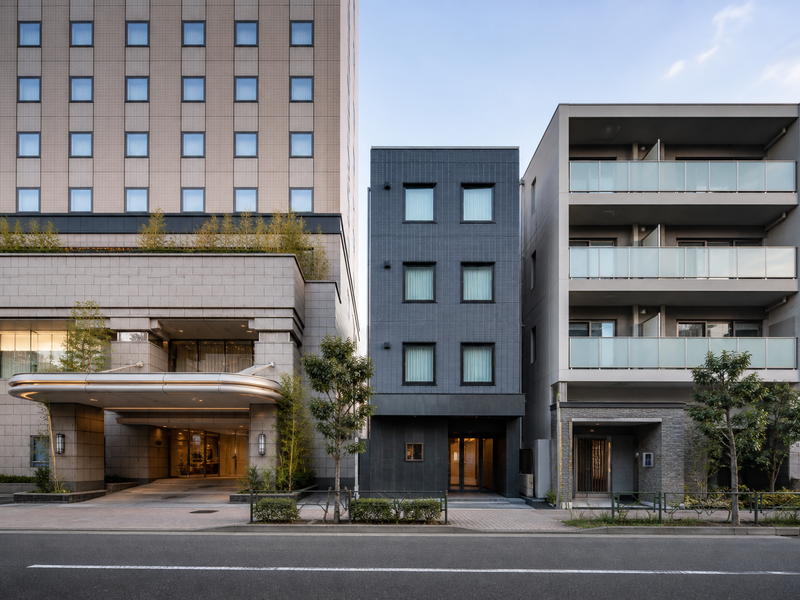
A love hotel is a separate accommodation decision, not a substitute label for every Yushima hotel. If your current hotel does not allow the intended visit and you are considering another private room, choose and secure that room before the outcall arrangement is finalized. Do not treat an area name, room category, or online listing as proof that an outside companion can enter.
The dedicated district guide explains how Yushima compares with Ikebukuro, Shinjuku, Shibuya, and Gotanda. This article does not repeat its facility-selection or check-in guidance.
Best Love Hotel Districts in Tokyo | MIRAI TOKYO
Tokyo love-hotel districts explained—Ikebukuro, Shinjuku, Shibuya, Gotanda, Yushima—area guide for foreign guests choosing where to go.
After choosing any separate room, send its final property name and address to the MIRAI TOKYO concierge. A change of venue creates a new arrival plan; it should not be introduced after travel has already begun.
Prepare the Details That Make Arrival Easier
Bunkyo’s useful information is not a long list of landmarks. It is a short description of how to reach the confirmed room. Prepare these four details before finalizing the request:
-
Copy the formal property name and address
Use the hotel’s own confirmation or official page. A marketing label such as “Ueno area” or “near Ochanomizu” is not a street address.
-
Add the practical station and entrance
For Korakuen, Kasuga, and Suidobashi, state the station you will actually use. For a large property, include the tower, driveway, or lobby shown in the reservation.
-
Give the room-ready time
Use the time when you expect to be checked in and able to receive a permitted visitor, not the time your train reaches the station or an event ends.
-
Share the access rule you confirmed
State whether visitor registration, a lobby meeting, an intercom, or a room key is involved. If the rule remains unclear, resolve it with the property before booking.
For the wider principles behind hotel location, timing buffers, and late-night movement across Tokyo, use the coverage guide below.
Tokyo Outcall Coverage & Areas | MIRAI TOKYO
Where can outcall reach in Tokyo? Travel time, area fees, hotel rules, and how to ask for coverage and arrival windows with clarity.
Check the Bunkyo Fee and Booking Method
At the time of writing, the official MIRAI TOKYO pricing page lists transportation to Bunkyo Ward at ¥3,000. This is separate from the selected course and any applicable nomination fee. Prices can change, so the current page—not an old article or screenshot—should be used when you book.
The exact address still matters. A hotel promoted as being near Ueno may be in Bunkyo or Taito. A property promoted through Ochanomizu may be in Bunkyo or neighboring Chiyoda. The current table may place nearby wards in different fee lines, even when the station names feel close. Send the full address and ask the concierge to confirm the accepted location, transportation fee, availability, and arrival arrangement together.
MIRAI TOKYO recommends booking two to three hours in advance, while same-day appointments may be possible depending on availability. Once the hotel and room-ready time are settled, follow the official booking guide: make an inquiry, review the available companion choices, confirm the date, time, location, payment, and terms, and wait for the agreed arrival instructions.
FAQ
Choose the Bunkyo Stay Before Confirming the Booking
Yushima and Hongo, Korakuen and its neighboring stations, and the Sekiguchi and Mejirodai side offer different versions of a Bunkyo stay. Select the base that fits your daytime route and preferred hotel format. Then confirm the property’s visitor and building rules, prepare the formal address and arrival details, and check the current transportation fee with the concierge.
If you specifically need a love-hotel district, use the separate Yushima comparison rather than treating every local hotel as the same format. Once the room and rules are settled, move to the official booking process with a location that can be checked precisely.
Plan Your Bunkyo or Yushima Outcall
Choose the hotel base first, then contact MIRAI TOKYO with the exact property, address, preferred time, and confirmed access conditions.
 Check Current Pricing
This content is for informational purposes only and does not constitute legal advice. Hotel visitor rules, building access, transportation fees, companion availability, and accepted locations may change; confirm current terms directly with the property and MIRAI TOKYO before booking.