











 MIRAI TOKYO concierge team
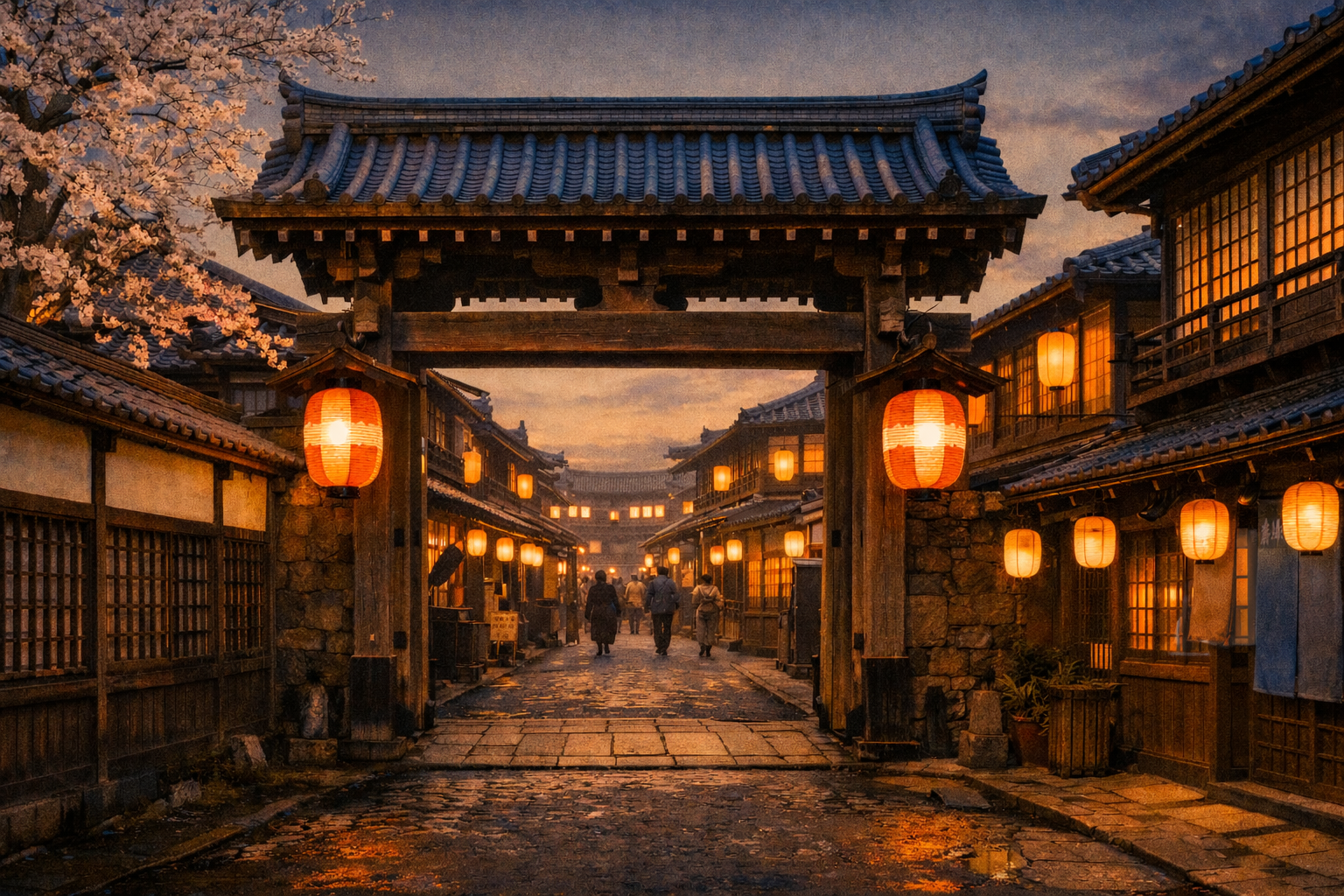
Yoshiwara was Edo-period Tokyo’s licensed pleasure district—a walled quarter that ran from 1617 to 1958. Art, social structure, and urban design all played a part. Today, Tokyo’s nightlife has moved on: privacy, hygiene, and safety shape how visitors experience high-end hospitality in the city.
Table of Contents
- Introduction: Why Yoshiwara History Matters
- Yoshiwara’s Origins: Edo’s Licensed Quarter
- The Structure of Yoshiwara
- Rank and Culture: The Hierarchy of Courtesans
- Yoshiwara in Art and Literature
- The End of Yoshiwara and the Shift to Modern Tokyo
- From Yoshiwara to Roppongi: What Has Changed
- FAQ
- Conclusion
Introduction: Why Yoshiwara History Matters
If you’re curious about Tokyo’s past, the name Yoshiwara almost certainly appears. For over 300 years, it was Japan’s most famous licensed pleasure district—a walled quarter in Edo (today’s Tokyo) where art, commerce, and social hierarchy intersected. Travelers interested in Japanese culture often search for “yoshiwara history” to understand how Edo-period nightlife worked, how it influenced ukiyo-e and literature, and how it differs from modern Tokyo.
Below you’ll find the basics: when Yoshiwara was founded, how it worked, and why it ended. Plus what’s different now. Modern Tokyo runs on different rules—tighter regulation, higher standards for hygiene and privacy, services built for visitors from abroad. If you’re curious about the past and the present, start here.
Yoshiwara’s Origins: Edo’s Licensed Quarter
From Nihonbashi to Shin-Yoshiwara
Yoshiwara was established around 1617 in Nihonbashi (today’s central Tokyo). The Tokugawa shogunate licensed it as a designated pleasure quarter—a controlled zone where sex work was permitted and regulated. In 1657, after a major fire, Yoshiwara was relocated to Asakusa, northeast of the city center. This new location became known as Shin-Yoshiwara (New Yoshiwara) and remained the heart of Edo’s licensed quarter for nearly three centuries.
The move concentrated the trade in one place, made it easier to police, and put distance between the quarter and the city’s main residential and commercial areas. The shogunate saw it as a necessary evil—better to regulate than to let unlicensed activity spread.
Licensed and regulated
Unlike unlicensed brothels, Yoshiwara operated under explicit government approval. It had a monopoly in Edo: other pleasure quarters were either absorbed or outlawed. This gave the quarter a unique status—both marginal and officially sanctioned. The trade supported the economy, generated tax revenue, and employed a large number of people, from courtesans to tea-house staff to artisans. The emphasis on hospitality and refinement in Yoshiwara echoes in what Japanese hospitality means after dark today.
The Structure of Yoshiwara
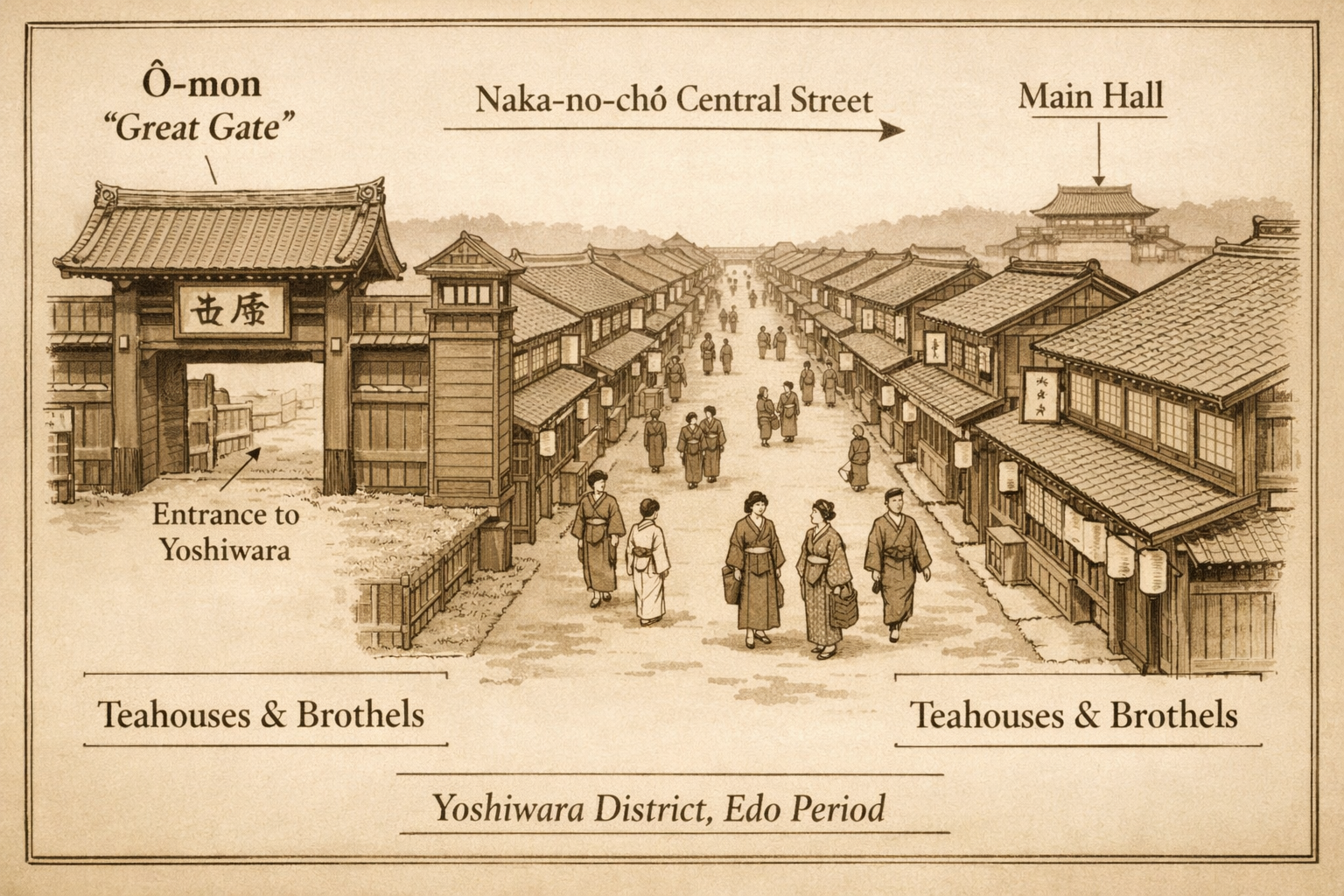
Yoshiwara was a walled, gated district. Visitors entered through the main gate (Ō-mon) and walked along Naka-no-chō, the central street. Teahouses (agencies) and brothels lined the street. Buildings featured lattice windows (kōshi)—wooden grilles that obscured the interior but allowed light and air. The design worked two ways: practical and symbolic. The quarter was visible but not fully open to the outside world.
How a visit worked
Guests didn’t usually go straight to a brothel. They first stopped at a teahouse (ageya or chaya), where they were introduced to a courtesan. If both parties agreed, the guest was escorted to the brothel for the appointment. The teahouse took a cut; the brothel and the courtesan shared the rest. Rank shaped everything. High-ranking courtesans chose whom they met and charged more.
Rank and Culture: The Hierarchy of Courtesans
Tayū, oiran, and the ranks below
Courtesans were ranked. At the top were the tayū—elite entertainers trained in music, poetry, and conversation. They were few in number and served only the wealthiest clients. Below them came oiran, who were also highly skilled but more numerous. The term “oiran” is sometimes used loosely today to mean any high-ranking courtesan. Lower ranks included shinzō (apprentices) and other grades, each with distinct roles and fees.
The oiran dōchū (procession)
High-ranking courtesans made formal processions (oiran dōchū) through the quarter. They wore elaborate kimono and tall geta, and were accompanied by attendants. The procession was spectacle and status rolled into one—a chance to parade the quarter’s most valuable women. Today you can still see oiran dōchū reenactments at festivals around Japan, kept alive as heritage, not as the original trade.
Yoshiwara in Art and Literature
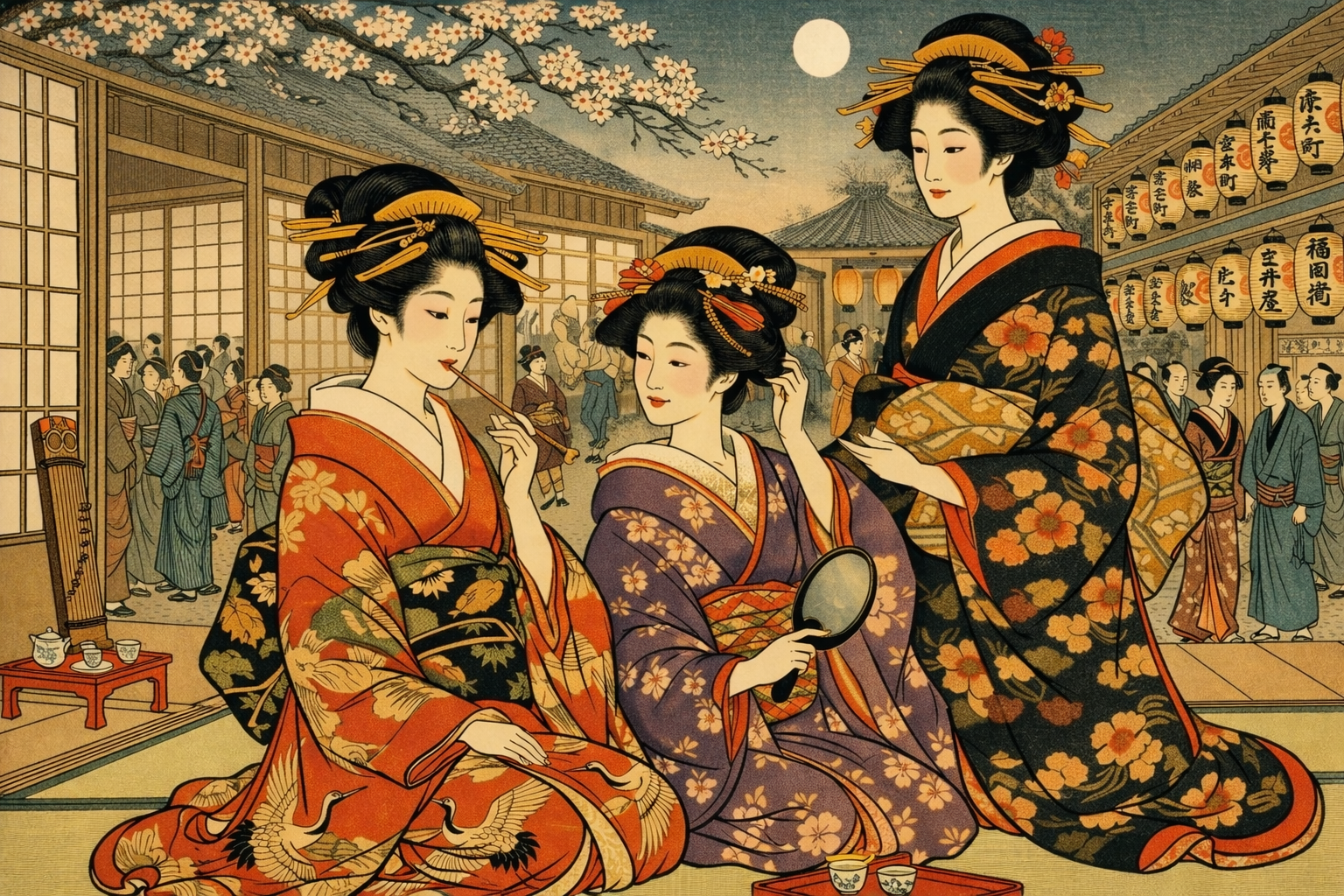
Yoshiwara left a lasting mark on Japanese art. Ukiyo-e (“pictures of the floating world”) often depicted courtesans, teahouses, and the quarter’s daily life. Kitagawa Utamaro and Katsushika Hokusai are among the artists who created famous prints of Yoshiwara. The quarter also appeared in novels, plays, and guidebooks. It was both a real place and a cultural symbol—a site of desire, beauty, and transience.
That cultural legacy still draws people in. When someone searches for “yoshiwara history,” they’re often as interested in the art and literature as in the social institution. The quarter lives on in memory not just as a place of commerce but as a subject of ukiyo-e, novels, and plays. Japan’s nightlife culture continues to shape Tokyo in ways that still resonate today.
The End of Yoshiwara and the Shift to Modern Tokyo
Yoshiwara kept operating well into the 20th century. After World War II, calls to abolish licensed prostitution grew. In 1956 Japan passed the Anti-Prostitution Law (Baishun Bōshi Hō). It took effect in 1958. Yoshiwara’s licensed quarter closed. The buildings, the hierarchy, and the legal framework that had held it up for over 340 years were gone.
Tokyo’s nightlife didn’t disappear. It just changed shape. Unlicensed sex work stayed illegal. Bars, host clubs, and other venues ran under different rules. What surprises foreigners about Japan’s adult entertainment scene today reflects that shift. Gradually a new model appeared: discreet, hotel-based hospitality for visitors who wanted privacy, cleanliness, and professional standards.
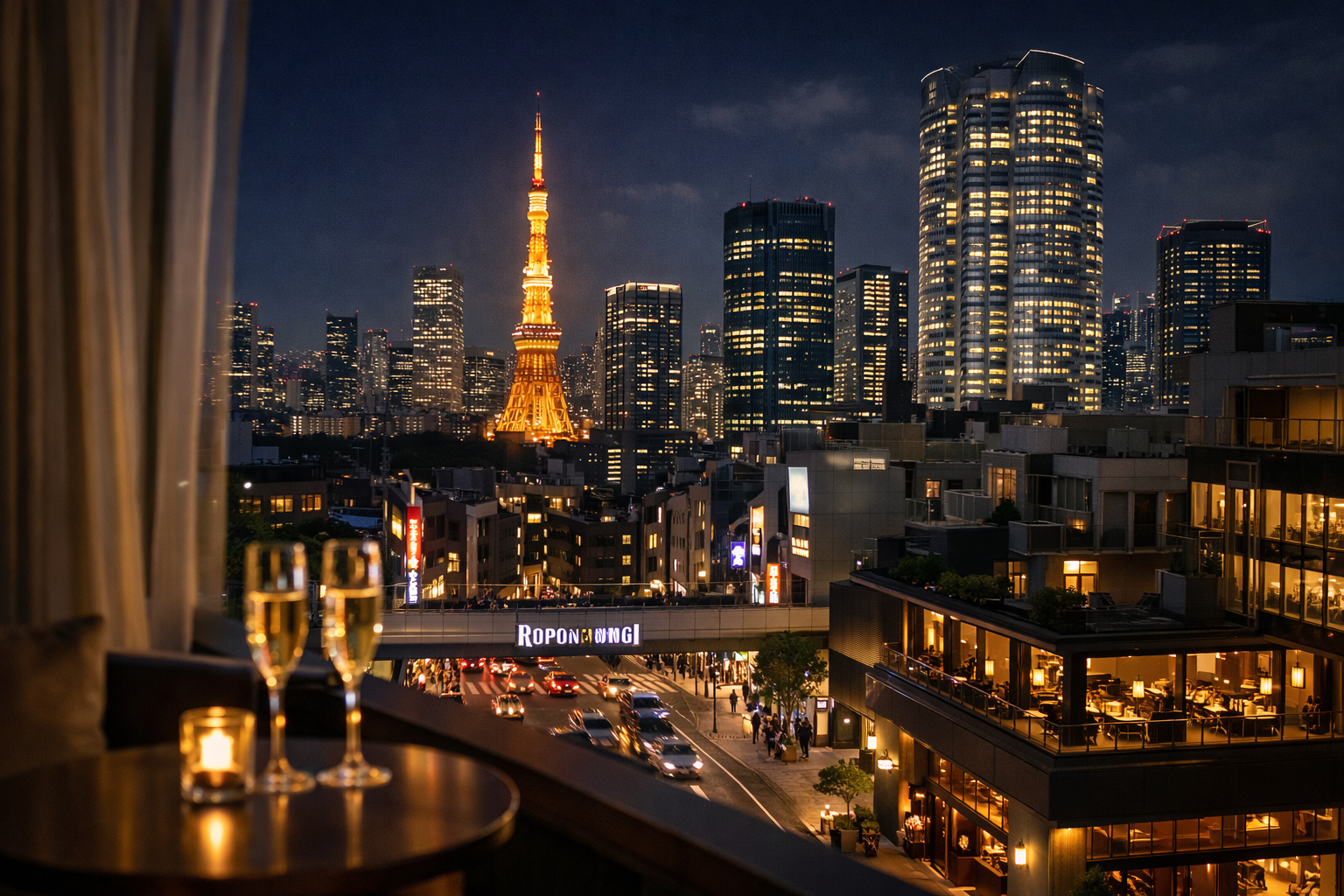
From Yoshiwara to Roppongi: What Has Changed
Yoshiwara and modern Tokyo could hardly be more different. The old quarter was a walled, physical space. Access ran through gates and strict protocol. Today, high-end hospitality in Tokyo is spread across the city—often brought to your hotel room instead of a fixed district. Privacy comes first. Hygiene is taken seriously. English and other languages are standard. Pricing is out in the open.
Safety, hygiene, and privacy
Modern services answer the questions travelers actually ask: Is it safe? Is it clean? Will my information stay private? Tokyo’s reputation for safety in this sector is well-earned. At MIRAI TOKYO Roppongi, we build around those concerns. Hotel-based outcall, an elite roster, strict hygiene, full privacy, and full English support. We don’t liken ourselves to Yoshiwara—the worlds are too different. But we share a focus on quality and discretion. For visitors who want a premium experience in Tokyo without the worry, that focus is what we deliver.
What to look for today
- Professional standard: Clear pricing in advance, in writing. Verified roster. Hygiene and privacy explained. English communication from the first contact.
- Red flag: Unclear pricing, pressure to book quickly, no way to verify the service or the people involved, poor or no English support.
FAQ
Conclusion
Yoshiwara lasted over 340 years. Edo’s licensed pleasure district—a regulated, walled quarter that left its mark on art, literature, and city life. People still study its structure, hierarchy, and cultural legacy. But Yoshiwara closed in 1958. Modern Tokyo runs on different rules: regulated, privacy-focused, built for visitors from around the world.
If you’re curious about the past, knowing Yoshiwara gives your Tokyo trip more context. If you’re looking for a premium experience now, the priorities have shifted. Safety, hygiene, privacy, and clear communication come first. At MIRAI TOKYO Roppongi we offer hotel-based outcall with an elite roster, strict standards, and full English support. Luxury means trust, respect, and quiet confidence.
Experience Premium, Discreet Hospitality in Tokyo
If you want high-end, hotel-based hospitality with clear pricing, full privacy, and English support, our concierge team can walk you through your options for Tokyo.

About This Guide
This guide was prepared and reviewed by a concierge team with experience serving international travelers in Tokyo. It covers Yoshiwara’s history, its cultural impact, and how modern Tokyo’s hospitality differs. For specific services and availability, contact MIRAI TOKYO directly.