











 MIRAI TOKYO concierge team
In Japan, “idol-type” and “model-type” are not vague compliments. They are established aesthetic categories with distinct visual registers, cultural roots, and practical meaning. If you have seen these labels on a dating app profile, a social media bio, or a companion listing in Tokyo and wondered what separates them, this guide explains the difference — and then shows you how to read the labels when they appear in contexts where money is involved.
Table of Contents
- Idol-Type vs. Model-Type: The Aesthetic Difference
- Where You Will See These Labels in Japan
- How These Labels Are Used in Tokyo’s Outcall Market
- 5 Checkpoints for Judging Whether a Label Is Credible
- How Premium Outcall Booking Works in Tokyo
- What MIRAI TOKYO Actually Writes on Its Public Pages
- FAQ
- Summary
Idol-Type vs. Model-Type: The Aesthetic Difference
Both terms describe a polished, camera-ready look — but the direction is different. The gap is consistent enough across Japanese media, fashion, and daily life that most people in Japan will immediately understand which one you mean.
Idol-type (アイドル系): warmth and approachability
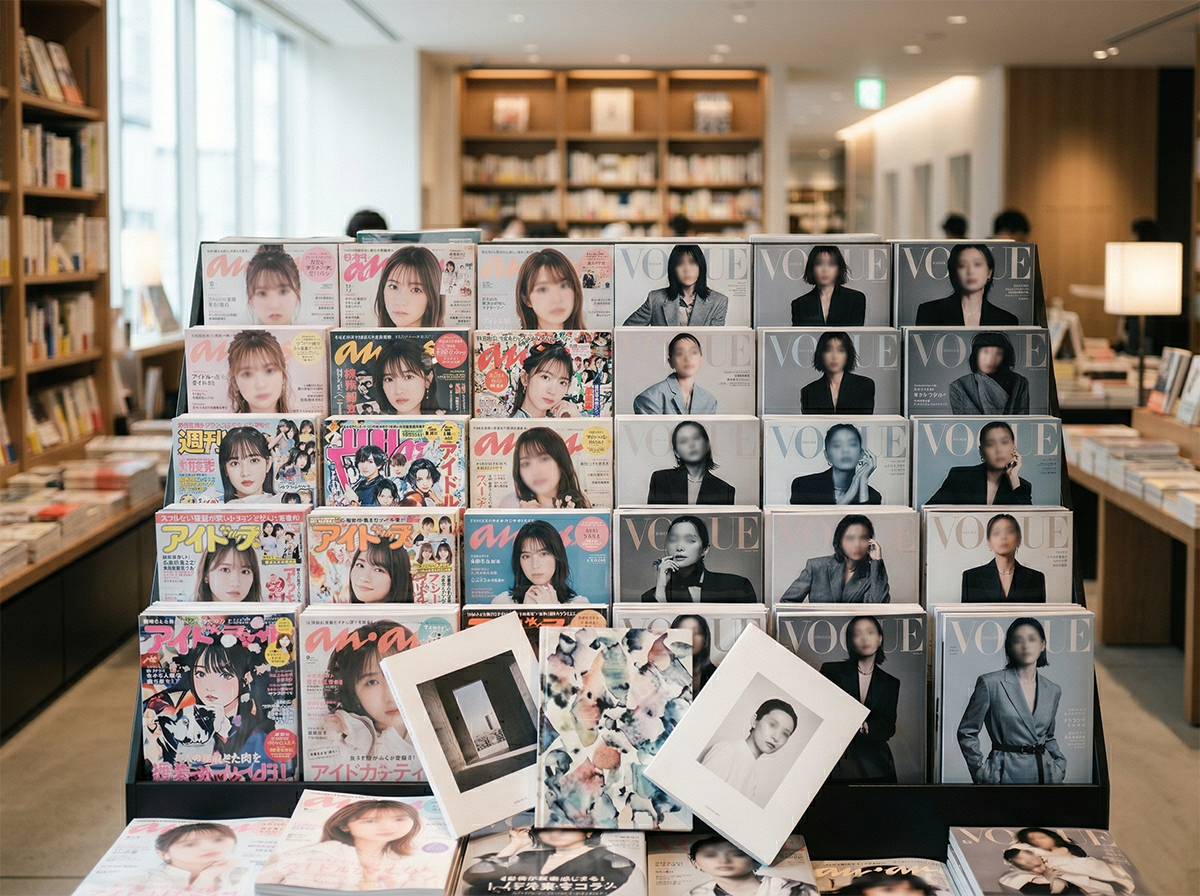
In Japanese pop culture, “idol” does not mean runway glamour. It points to a balance of freshness, softness, and camera-friendly warmth — the kind of visual polish you see in groups like Nogizaka46 or Sakurazaka46, where the entire presentation is built around approachability. The styling is bright, the grooming is careful, and the overall impression is welcoming rather than distant. Think of it as photogenic warmth: the person looks polished, but the polish is meant to make you feel closer, not further away.
Model-type (モデル系): composure and editorial sharpness
“Model-type” signals the opposite direction. The reference point is closer to magazine editorial or runway-adjacent presentation: cleaner lines, stronger bone structure in the framing, more deliberate styling, and a cooler finish. The look can still be soft, but the message is visual precision and composure rather than fan-friendly warmth. In Tokyo terms, this is closer to Ginza polish than to Shibuya energy.
A quick visual comparison
| Idol-type | Model-type | |
|---|---|---|
| Overall impression | Warm, bright, approachable | Cool, composed, editorial |
| Styling direction | Soft colors, rounded styling, friendly expression | Clean lines, structured styling, restrained expression |
| Cultural reference | Mainstream idol media (Nogizaka46, Sakurazaka46) | Fashion magazines, runway-adjacent presentation |
| Tokyo neighborhood feel | Shibuya, Harajuku — trend-forward, energetic | Ginza, Omotesando — polished, restrained |
These are directions, not hard boundaries. Many people carry elements of both, and the same person might lean idol-type in one photo set and model-type in another. But the distinction is consistent enough that when someone in Japan says “she’s more the idol type” or “she has a model-type look,” most listeners will picture the same general direction.
Where You Will See These Labels in Japan
Idol-type and model-type are not niche terms. They appear across a wide range of contexts in Japan, and understanding them in one context transfers to the others.
Dating and matching apps
On Japanese dating apps like Pairs, Tapple, and with, users often describe their own look or their preferences using aesthetic type labels. “アイドル系” (idol-type) and “モデル系” (model-type) appear in self-descriptions and in the language people use when talking about what they are looking for. The labels are self-reported and informal, but they draw on the same visual vocabulary described above.
Social media and public profiles
Instagram bios, X (Twitter) profiles, and streaming platform descriptions in Japan frequently use type labels as a shorthand for visual direction. Influencers, content creators, and public figures often position themselves along this spectrum, and followers use the same language to describe them.
Companion and outcall profiles in Tokyo
In Tokyo’s companion and outcall market, the same aesthetic vocabulary is used on profile pages — but with a complication. Because money is involved, labels can be used as genuine style descriptions, as tier markers tied to pricing, or as unsupported marketing language. The next section explains how to tell those apart.
How These Labels Are Used in Tokyo’s Outcall Market
In the companion and outcall context specifically, the same word usually lands in one of three buckets, and the gap matters when you are comparing options.
Usage pattern 1: visual shorthand
Some sites use “idol” and “model” the same way a magazine would — as a description of the look. “Idol” points to someone bright, soft, and warm in photos. “Model” points in the other direction: taller-looking framing, editorial composure, cleaner styling. Neither label is tied to rank or price. It is just a style shortcut to help you filter profiles.
Usage pattern 2: tier or rank language
Other sites connect the labels to rank. On these sites, “idol tier” or “model class” is a position in the pricing structure. The higher the tier, the more the label is meant to tell you about the experience, not just the look. Whether the tier actually delivers on that is a separate question.
Usage pattern 3: unsupported marketing language
A third group uses the words as pure uplift copy. The site wants the prestige of “idol” or “model” without attaching the claim to a distinct look, a pricing structure, or any public explanation. This is where readers get misled most often: the label sounds specific, but nothing on the page tells you what operational difference it is supposed to signal.
Why the difference matters
If a site is using the label as style shorthand, you can treat it as a visual guide and move on to the profiles. If the site is using it as rank language, the label is also an implicit claim about the quality and caliber of the people in that category — and that claim needs something to back it up. If the label is only decorative marketing, you should downgrade its importance immediately. The problem is that sites rarely tell you which mode they are in. You have to figure it out from context: does the label correspond to a price difference? Is there a visible explanation of how the tiers work? Do the profiles in the “idol” or “model” category actually look different from the rest?
5 Checkpoints for Judging Whether a Label Is Credible
When a site uses premium language around idol or model categories, these five questions will tell you quickly how much weight to put on it.
Checkpoint 1: Do the profile photos match the label?
This is the most direct test. If a site claims idol or model-level profiles, the photos should reflect that — consistent lighting, professional styling, a coherent visual tone across multiple shots. One retouched headshot with a strong label is a mismatch. Look for a minimum of two to three images per profile that all point in the same direction.
Checkpoint 2: Does the label correspond to a price difference?
If “idol” and “standard” are listed at the same price, the label is decorative. If the premium label corresponds to a meaningfully higher rate with a visible explanation — even a brief one — that is a sign the site is treating it as a real category, not just copy.
Checkpoint 3: How much does the site commit to its own language?
Generic services write things like “top-class beauties” and stop there. Services with stronger claims go further: they name specific types of talent, describe what qualifies someone for a tier, or reference the kind of professional background a profile comes from. The more specific the public language, the more the site is on the record — and the more there is to hold it to.
Checkpoint 4: Can the booking team answer a direct question?
Try asking: “Which available profiles today would you describe as fitting the idol-type direction?” A team that answers with a name or a current option knows its own inventory. A team that deflects with “all of our companions are top-class” is telling you the label is not operationally meaningful.
Checkpoint 5: Is there enough public information to form a view?
A visible pricing page, a published service area, a contact policy, and booking rules all add up to a footprint. It does not prove quality, but it means the service is publicly accountable for something. Minimal public presence combined with heavy marketing language is a weak signal, because there is little public material you can actually test.

Tokyo Nightlife Scams: How to Avoid Bottakuri & Find an Outcall ServiceYou Can Actually Trust
Tokyo nightlife scams explained: avoid bottakuri in Shinjuku and Roppongi and choose a safe, transparent, English-speaking hotel outcall service you can trust.
How Premium Outcall Booking Works in Tokyo
If you are trying to book a specific idol-type or model-type direction, the booking flow itself is simple. The important thing is to define the look early and confirm the fee structure before the session is locked.
-
Step 1: Browse profiles and shortlist two or three options
Use the published profiles and pricing pages to note which companions actually fit the look you want. If you can name a first choice and one backup, the conversation moves faster.
-
Step 2: Tell the booking team the direction, not just the keyword
Say whether you want a softer idol-type impression or a sharper model-type impression, and reference any profiles you noted. That helps the team separate a real look request from a vague premium request.
-
Step 3: Confirm the total amount and your hotel coverage
Before you lock anything in, confirm the full price including transportation and nomination-related fees, and make sure your hotel area is covered. Central visitor districts such as Roppongi, Ginza, Shinjuku, and Shibuya are the most relevant reference points.
-
Step 4: Confirm availability, arrival window, and session details
Once the team names the available profiles that fit your direction, confirm arrival timing and course details. Established services handle the hotel visit discreetly, but the clarity should happen before the companion is dispatched.
Run through the list below before you move from browsing to a final confirmation. Most of the problems in this category come from skipping one or two of these checks.
| What to confirm | Why it matters | How to check |
|---|---|---|
| Which tier the profile belongs to | Tells you whether the idol/model label is style shorthand or rank language | Pricing or companion page |
| Whether the profile is currently available | Published profiles are not always active at booking time | Ask the booking team directly |
| Full fee total including additional items | Transportation, photo selection, repeat fees are separate at many services | Pricing page + confirmation message |
| Service area coverage for your hotel | Some central areas are covered, some outer locations may not be | How to Use page or direct inquiry |
| That the booking team can answer specifically | Vague responses at inquiry stage usually predict vague responses at booking stage | Ask one specific question, see if you get a direct answer |
None of these is difficult to check. The point is to check them before you commit, not after the booking is locked.
What MIRAI TOKYO Actually Writes on Its Public Pages
In a category where broad marketing language is common, pages with separate profile, pricing, and booking information are easier to evaluate directly. MIRAI TOKYO gives readers those checkpoints on its public pages.

The GOLD tier language
On the public Pricing page, MIRAI TOKYO describes its GOLD tier using concrete talent categories: models, gravure idols, and AV actresses. That turns the claim from abstract (“premium class”) into something more specific (“these types of people are in this tier”), which gives readers something to verify against the current profile selection.

The pricing structure
Base pricing starts at ¥37,000. The site also lists additional fee items separately: transportation, photo selection, and repeat request fees are each noted as distinct line items. Listing those items separately makes it easier to estimate the likely total before you commit.
Contact routes and public documents
For international users, MIRAI publishes multiple contact routes: LINE, WhatsApp, WeChat, KakaoTalk, phone, and a contact form. Profiles, pricing, privacy policy, booking rules, and service area information are all accessible before you make contact. The site also describes itself as a licensed adult entertainment business operating within Japanese legal boundaries. The published pages most relevant here are How to Use and Pricing.

Booking Guide - 4 Easy Steps | MIRAI TOKYO
Complete guide to booking luxury escort service in Tokyo: 4-step process from inquiry to arrival. Available via phone, LINE, WeChat, WhatsApp. English support, discreet service, legal compliance explained. Learn about Japan's outcall escort culture and regulations.
FAQ
Summary
Idol-type and model-type are established Japanese aesthetic categories, not marketing inventions. Idol-type points to warmth, approachability, and bright styling rooted in Japan’s idol culture. Model-type points to editorial composure, cleaner lines, and a cooler finish closer to fashion media. The distinction is consistent across dating apps, social media, and companion profiles in Tokyo.
Where money is involved — particularly in Tokyo’s outcall market — the same labels can be used as genuine style descriptions, as tier markers tied to pricing, or as unsupported marketing claims. The five checkpoints in this guide help you tell those apart. MIRAI TOKYO publishes its tier language in specific enough terms — models, gravure idols, and AV actresses in the GOLD tier — that readers can check the claim against the public lineup and pricing structure.
Ready to Check MIRAI TOKYO’s Current Lineup?
The profiles, tier structure, and pricing are all public. Browse the available options, run the checklist, and contact the team if you want to confirm who is available today and what the full amount will be for your booking.

About This Guide
This guide was written to explain the difference between idol-type and model-type aesthetics in Japan, show where those labels appear — from dating apps to companion profiles — and give readers practical tools for evaluating the labels when they appear in commercial contexts.