











 MIRAI TOKYO concierge team
Visiting Roppongi for the first time and wondering, “What’s actually here?” or “Where should I start?” Roppongi is one of Tokyo’s top districts for culture and nightlife, with world-class museums, fine dining, and city views that many visitors remember long after their trip. At the same time, the amount of information online can feel overwhelming. This guide picks out the essentials and offers a simple way to enjoy Roppongi on your very first visit without feeling rushed.
What You’ll Learn in This Guide
- How to enjoy Roppongi’s two major hubs: Roppongi Hills and Tokyo Midtown
- A one-day model itinerary that combines art, gourmet food, and night views
- Practical access tips, budget ideas, and time-saving advice for first-timers
- Local-recommended hidden spots and photogenic viewpoints
Table of Contents
- Roppongi Basics – Key Things First-Timers Should Know
- Roppongi Hills – Highlights & Must-See Spots
- Tokyo Midtown – A Sophisticated Urban Oasis
- Roppongi Art Triangle – How to Enjoy the Museums
- Roppongi Restaurant Guide – Where to Eat by Budget
- 1-Day Model Itinerary – The Most Efficient Roppongi Plan
- Practical Tips to Enjoy Roppongi 100%
- FAQ
Roppongi Basics – Key Things First-Timers Should Know
What Kind of Place Is Roppongi?
Roppongi is often described by Minato City as a district where “history and cutting-edge trends intersect”, and it’s one of Tokyo’s most famous sightseeing areas[1]. Within a compact area you’ll find world-class art museums, Michelin-starred restaurants, and flagship luxury boutiques. At the same time, it’s home to many embassies and major companies, giving the area a distinctly international, business-friendly atmosphere.
How to Get There & Approximate Travel Times
Roppongi Station is served by two subway lines: the Tokyo Metro Hibiya Line and the Toei Oedo Line[2]. From major stations in Tokyo, travel times are roughly
- From Shinjuku Station: about 10 minutes (direct via Oedo Line)
- From Tokyo Station: about 15–25 minutes (via Hibiya Line, transfer required)
- From Shibuya Station: about 15 minutes (via Hibiya Line)
- From Haneda Airport: around 50 minutes
- From Narita Airport: around 1 hour 15 minutes
For first-time visitors, using a prepaid IC card such as Suica or PASMO makes transferring between lines much easier.
The Two Core Areas You Shouldn’t Skip
The heart of Roppongi sightseeing is built around two large multi-purpose complexes: Roppongi Hills and Tokyo Midtown. If you organize your day around these two hubs, you can efficiently enjoy art, gourmet food, shopping, and night views without wasting time on long transfers.
Why Roppongi Is So Special
Roppongi is known as one of Tokyo’s key trend-setting districts. It’s a rare area that combines upscale bars and clubs, a dense concentration of museums, and a serious business side—all within walking distance[3]. Few neighborhoods in Tokyo offer this much variety in such a compact space.
Roppongi Hills – Highlights & Must-See Spots
Tokyo City View – A 250 m-High Panorama of Tokyo
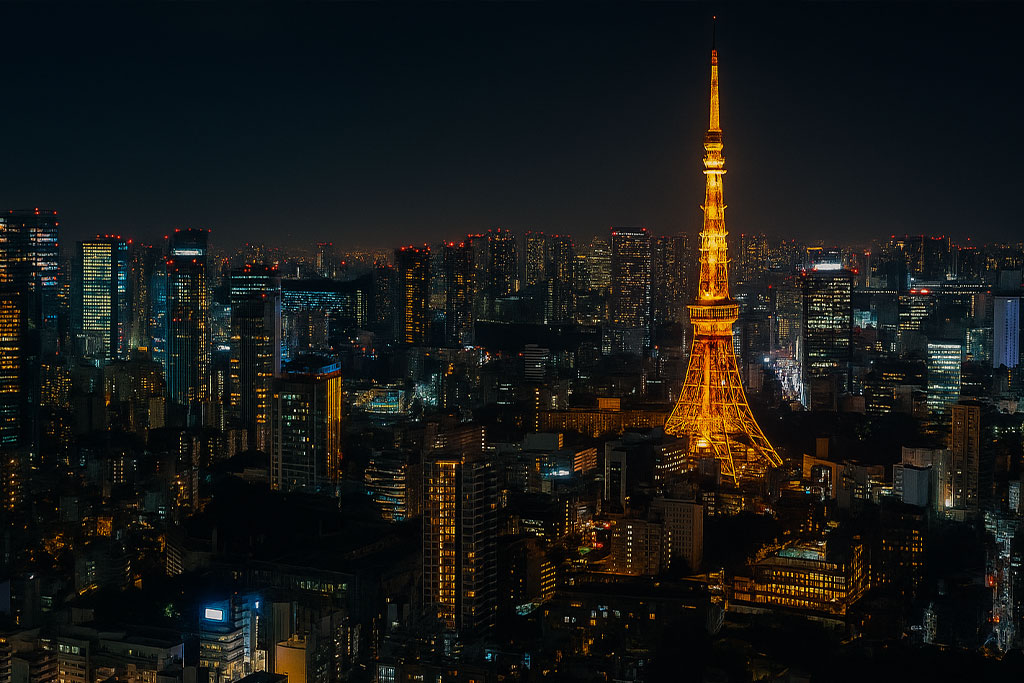
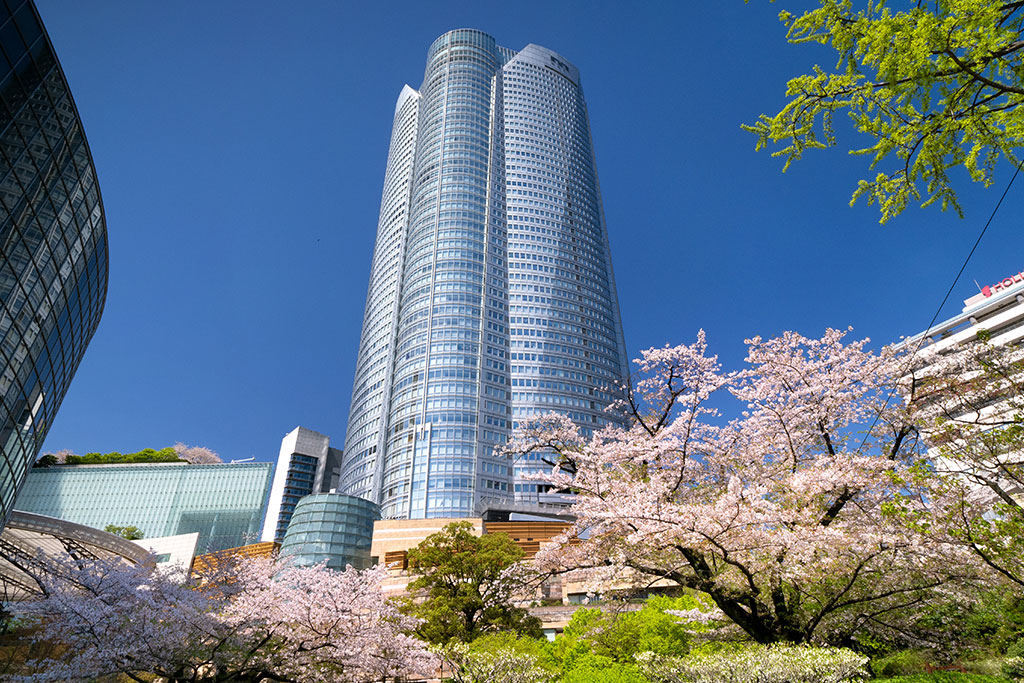
Located on the 52nd floor of Mori Tower, Tokyo City View is a corridor-style observation deck surrounded by floor-to-ceiling glass, offering a 360-degree panorama of the city. You can see Tokyo Tower, the Shinjuku skyscraper district, and on clear days even Mount Fuji and the Boso Peninsula. The time between sunset and nightfall is especially atmospheric, as the city lights come on and the skyline slowly changes. Seasonal art installations and projection-based exhibits are often hosted on the observation floor, letting you enjoy both night views and contemporary art in one place.
- Same-day ticket (counter): Adults ¥2,400 / Students ¥1,700 / Children ¥1,100 / Seniors ¥2,100
- Opening hours: Generally 10:00–22:00 (last entry 21:30). Hours may be extended during special events.
- Best time to visit: 17:00–19:00, when you can watch the sky shift from sunset to full night view.
- Suggested stay (around 16:00–18:00): About 60–90 minutes
*Ticket prices and hours can change, so it’s best to check the official website before you go.
Mori Art Museum – The Front Line of Contemporary Art
The Mori Art Museum is one of Tokyo’s leading contemporary art museums, known for exhibitions that focus on modern art, architecture, and design. Many days it stays open until 22:00, which is rare for museums in Japan, making it ideal for visiting after work or after enjoying the night view. Exhibitions are frequently updated, featuring rising international artists and large-scale thematic shows. Installations that use video, sound, and interactive elements are common, so even visitors who are new to contemporary art can enjoy it without feeling intimidated. The museum is directly connected to the observation deck, shops, and cafés, letting you enjoy art, views, and relaxation all in one complex.
Mohri Garden – A Japanese Garden Oasis & Photo Spot
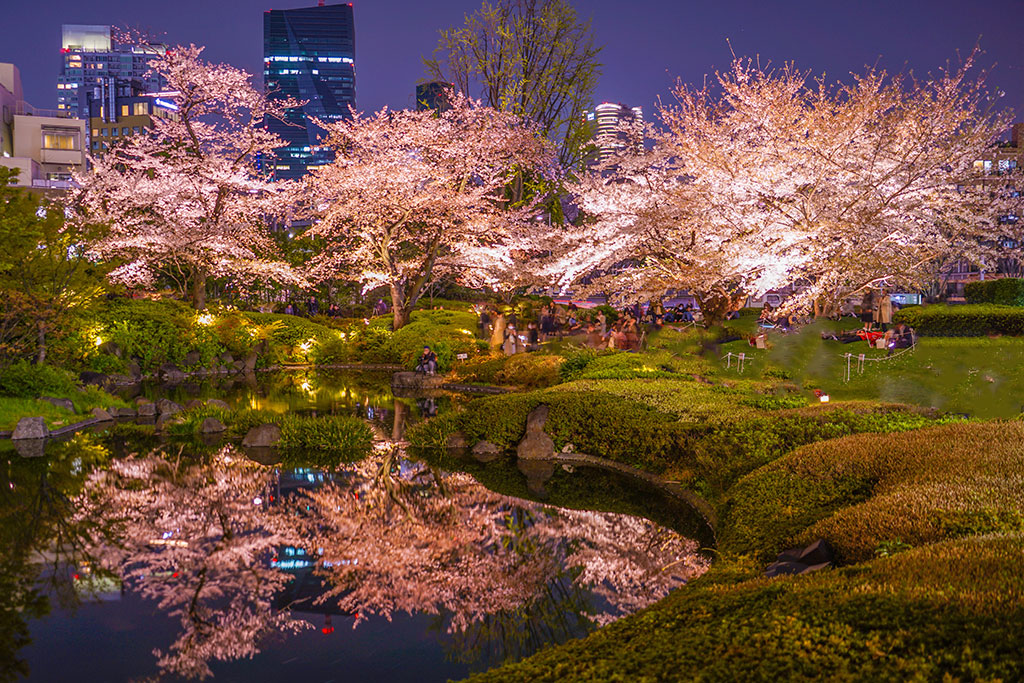
At the center of Roppongi Hills you’ll find Mohri Garden, a Japanese-style garden created on the former grounds of a samurai residence from the Edo period. A pond, small waterfalls, and carefully arranged greenery create a calm pocket of nature in the middle of the city. The scenery changes with the seasons—cherry blossoms in spring and colorful foliage in autumn are particular highlights. At night the trees and pond are beautifully lit up, making it a favorite location for photography. Modern art objects are also placed throughout the garden, giving it a unique mix of tradition and contemporary design. It’s the perfect place to take a breather between shopping, museum visits, and the observation deck.
Keyakizaka-dori – Illuminations & Tokyo Tower Views
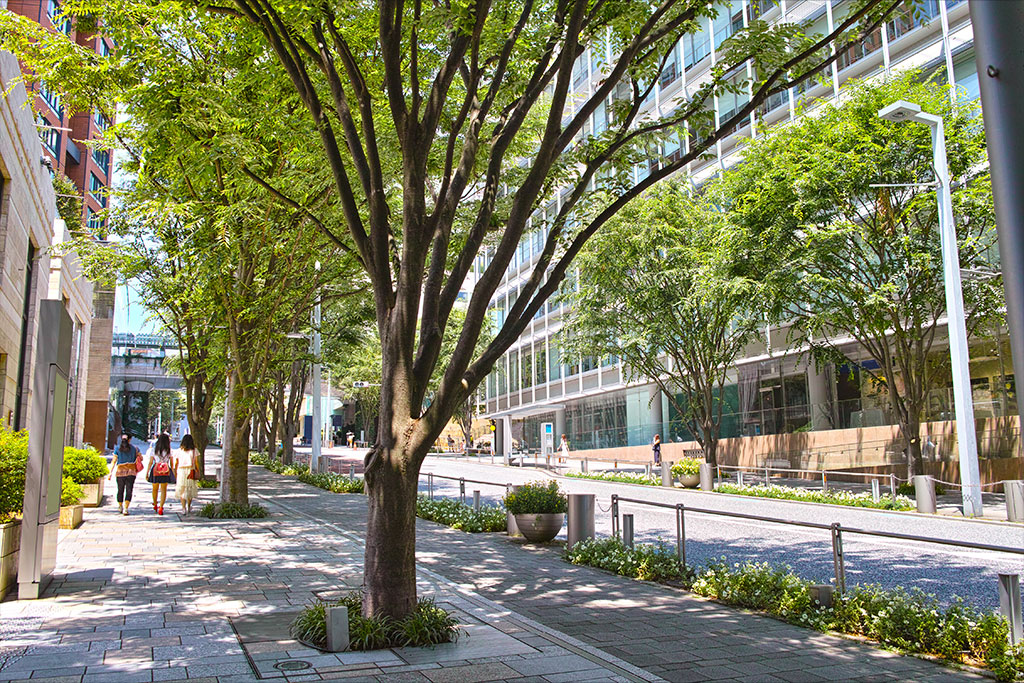
Keyakizaka-dori is a roughly 400 m tree-lined slope that becomes one of Tokyo’s most famous winter illumination spots. During the holiday season, the zelkova trees are wrapped in around 800,000 LED lights under the theme “SNOW & BLUE,” creating a dreamy blue-and-white tunnel of light from about 17:00 to 23:00 (hours vary by year). The angle where the slope frames Tokyo Tower in the distance is a classic photo composition. Popular shooting spots include the pedestrian bridge near Roppongi Hills Arena and the area around Tiffany & Co. and TSUTAYA bookstore. The lights use energy-efficient LEDs, making this a winter stroll that’s both beautiful and relatively eco-conscious.
Shopping & Dining in Over 200 Shops and Restaurants
Roppongi Hills brings together around 200 shops and restaurants, offering everything from luxury fashion to unique interior goods and lifestyle brands. It’s a great destination whether your goal is serious shopping or just browsing the latest Tokyo trends. Dining options include Japanese, Western, Chinese, and many other cuisines, from Michelin-listed restaurants to casual cafés and bars with great views. The complex also houses TOHO Cinemas and the Grand Hyatt Tokyo, so you can structure your day around movies, dining, and even an overnight stay. Seasonal events and illuminations change the mood throughout the year, so the area can feel a little different each time you visit.
Tokyo Midtown – A Sophisticated Urban Oasis
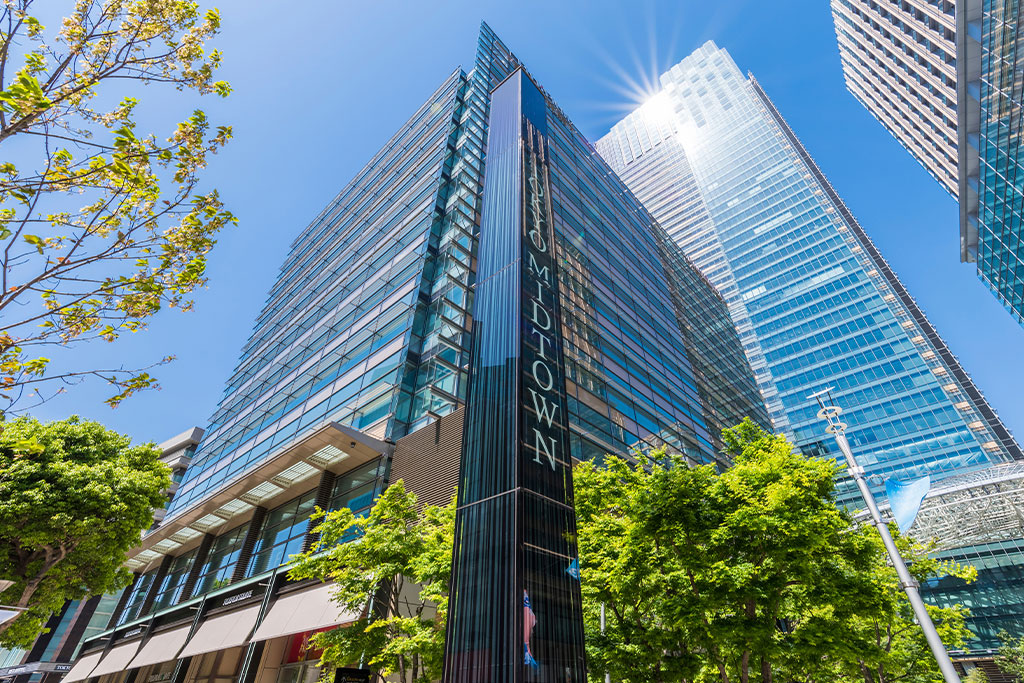
Suntory Museum of Art – Discover the Beauty of Japanese Art
The Suntory Museum of Art focuses on the idea of “Art in life,” showcasing Japanese traditional crafts and classical art. Exhibitions often feature glassware, lacquerware, textiles, tea ceremony utensils, and other refined objects that reveal the depth of Japanese aesthetics. The interior has a warm, modern Japanese design with plenty of natural materials, creating a calm environment where you can take your time viewing the works. There is also a tea room, and occasional tea ceremony–related events let you experience this aspect of Japanese culture firsthand. Located directly inside Tokyo Midtown and connected to the station, it’s easy to visit regardless of the weather.
21_21 DESIGN SIGHT – A Playground for Design & Ideas
21_21 DESIGN SIGHT is an innovative design museum planned by world-renowned architect Tadao Ando and legendary fashion designer Issey Miyake. Its exhibitions explore “design in everyday life,” questioning materials, structures, and the way we perceive the world. Many of the installations are interactive or sensory, making the space enjoyable for everyone from design beginners to professionals. The building itself, with its striking triangular roof and mostly underground structure, is worth a visit for the architecture alone. Set within the greenery of Midtown Garden, it’s the perfect stop on a leisurely stroll through the area.
Midtown Garden – Green Space in the Heart of the City
Spreading out around Tokyo Midtown, Midtown Garden features lawns, walking paths, and tree-lined avenues. It’s a beloved spot for its seasonal scenery—cherry blossoms and fresh green leaves in spring, deep green shade in summer, and colorful foliage in autumn. Locals and visitors alike come for picnics, relaxed walks, and casual photo shoots. In the evening, seasonal light-up and illumination events transform the garden into a gentle, romantic space. Surrounded by cafés, galleries, and design shops, it’s an ideal area to slow down and enjoy a more relaxed side of Tokyo.
The Ritz-Carlton, Tokyo – Luxury with a View
The Ritz-Carlton, Tokyo, located in the upper floors of Midtown Tower, offers some of the most impressive views in the city, with Tokyo Tower and even Mount Fuji visible on clear days. Even if you’re not staying at the hotel, you can enjoy its lounges, restaurants, or afternoon tea for a special treat. Many travelers combine a visit to Tokyo Midtown with a drink at the hotel bar to watch the city lights come on. Seasonal collaborations with Midtown’s events are common—during spring, for example, you may find limited menus designed to be enjoyed while viewing the cherry blossoms in Midtown Garden. For visitors seeking a luxurious Tokyo experience, this is a memorable stop.
Roppongi Hills vs. Tokyo Midtown – How to Choose
| Roppongi Hills | Tokyo Midtown | |
|---|---|---|
| Atmosphere | Energetic, lively, iconic | Refined, calm, grown-up |
| Museums | Contemporary art (Mori Art Museum) | Japanese art & design (Suntory Museum of Art, 21_21 DESIGN SIGHT) |
| Main audience | Wide age range, from students to families | Adults, business travelers, design lovers |
| Green spaces | Mohri Garden (compact Japanese garden) | Midtown Garden (wide lawn and walking paths) |
Roppongi Art Triangle – How to Enjoy the Museum District
The Three Museums & Their Strengths
The Roppongi Art Triangle refers to three major museums located within walking distance of each other: the Mori Art Museum, the Suntory Museum of Art, and the National Art Center, Tokyo[4]. Each has its own specialty, allowing you to experience a wide variety of art in a single day.
National Art Center, Tokyo – One of Japan’s Largest Exhibition Spaces
The National Art Center, Tokyo is known for having one of the largest exhibition spaces in Japan. Uniquely, it doesn’t keep a permanent collection; instead, it hosts rotating special exhibitions curated from inside and outside Japan[5]. The building itself, designed by architect Kisho Kurokawa, is famous for its sweeping glass façade and striking interior, making it a destination for architecture fans as well.
- Mori Art Museum: Focus on contemporary art; open late (often until 22:00)
- Suntory Museum of Art: Japanese art and traditional crafts
- National Art Center, Tokyo: Special exhibitions only, with an enormous exhibition area
A Suggested Route to Visit All Three
All three museums are within walking distance of each other, so it is possible to visit them all in one day if you move efficiently. However, if you like to read every explanation panel and take your time, consider spreading them over two days.
- Morning (10:00–12:00): National Art Center, Tokyo – focus on the current special exhibition
- Lunch (12:00–13:30): Lunch at a restaurant or café around Tokyo Midtown
- Afternoon (13:30–15:30): Suntory Museum of Art – enjoy Japanese art and crafts
- Evening (16:00–18:00): Mori Art Museum – contemporary art plus the evening view
Combined Tickets & Discount Information
The Art Triangle area occasionally offers combined tickets or discount campaigns that allow you to visit multiple museums for a lower total price. In recent years, the annual Roppongi Art Night—an all-night art festival usually held around September—has also featured special prices or free admission for certain venues[6]. Details change each year, so it’s worth checking official websites in advance.
Tips for Art Beginners
- Start with just one museum and find out which type of art you like most.
- Use audio guides to learn about the background and stories behind key works.
- Don’t skip the museum shops—they’re great for unique, art-inspired souvenirs.
- Relax at each museum café to soak in the atmosphere and reflect on what you saw.
Roppongi Restaurant Guide – Where to Eat by Budget
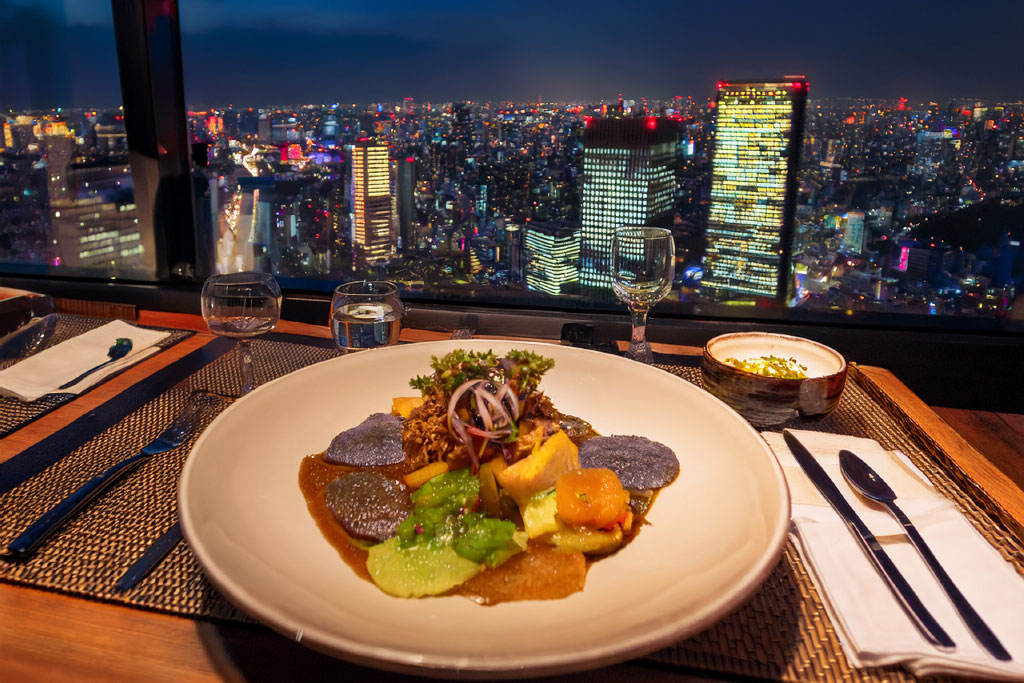
The price ranges below are per person and mainly for dinner. Lunch is often significantly cheaper, so consider planning one luxury lunch instead of dinner if you’re on a budget.
Michelin-Starred Restaurants (High-End: ¥10,000 and Up)
Roppongi is one of Tokyo’s densest areas for Michelin-starred restaurants, making it ideal for special occasions, anniversaries, or business dinners. At high-floor French restaurants, you can pair fine-tuned tasting menus with wine while gazing out at the night skyline. At teppanyaki restaurants, chefs grill premium wagyu beef right in front of you. Sushi counters here are often intimate, with chefs serving seasonal fish one piece at a time over the counter—a very direct way to experience Japanese sushi culture. Creative Italian and cutting-edge gastronomic restaurants are also plentiful. For the best experience, reserve well in advance, request window seats if available, and check the dress code beforehand.
Quality Casual Dining (Mid-Range: ¥3,000–¥10,000)
You don’t need a Michelin star to eat very well in Roppongi. The area is full of high-quality bistros, trattorias, modern izakaya-style restaurants, and international spots serving Spanish, Thai, Middle Eastern, and more. Lunch sets are often excellent value, and in the evening you can mix and match à la carte dishes with wine or craft cocktails. Many places are located inside or near museums, Roppongi Hills, or Tokyo Midtown, making them convenient stops between sightseeing. On weekdays you may get in without a reservation, but on weekends and during events it’s safer to book ahead. Expect around ¥5,000–¥8,000 per person for a satisfying mid-range dinner.
Budget-Friendly Options (Up to ¥3,000)
Despite its luxury image, Roppongi also has plenty of affordable food. Food courts in Roppongi Hills and Tokyo Midtown gather popular Japanese and international chains in one place, perfect for a quick, efficient meal. In the side streets you’ll find long-running Japanese diners serving set meals, as well as cozy bakeries and cafés. At lunchtime, look for daily lunch sets around ¥1,000–¥1,500. At night, ramen and noodle shops open until late are a lifesaver when you want a quick bite after museums or bars.
1-Day Model Itinerary – A Time-Efficient Roppongi Plan
How to Structure Your Day
To get the most out of Roppongi, it’s helpful to plan around the different moods of each time of day. Museums can often be enjoyed at night, while sunset and early evening are prime time for observation decks. Below is a sample one-day itinerary that balances art, food, shopping, and night views.
Morning (10:00–12:00): Art-Focused Start
- 10:00 – Arrive at Roppongi Station and head to the National Art Center, Tokyo.
- 10:30–11:45 – View the main special exhibition (about 75 minutes).
- 11:45–12:00 – Browse the museum shop for art books and design goods.
Afternoon (12:00–17:00): Lunch, Shopping & Strolling
- 12:00–13:30 – Lunch at Tokyo Midtown (about 90 minutes).
- 13:30–14:30 – Visit the Suntory Museum of Art (about 60 minutes).
- 14:30–15:30 – Stroll through Midtown Garden and relax on the lawn (about 60 minutes).
- 15:30–17:00 – Move to Roppongi Hills for shopping and café time (about 90 minutes).
Evening (17:00–19:00): Sunset & Night Views
- 17:00–18:30 – Enjoy sunset to night view at Tokyo City View (about 90 minutes).
- 18:30–19:00 – Take photos of the night illumination in Mohri Garden (about 30 minutes).
Night (19:00–21:00): Dinner & Illuminations
- 19:00–20:30 – Dinner at a restaurant with a night view (about 90 minutes).
- 20:30–21:00 – Walk along Keyakizaka-dori and enjoy the illuminations (about 30 minutes).
Smart Movement Tips
- Walk as much as possible: Major spots are within a 5–10 minute walk of each other.
- Use underground passages: On rainy days, underground connections keep you mostly dry.
- Use coin lockers: Store luggage in lockers inside stations or complexes to move freely.
- Avoid peak crowds: Weekday mornings and evenings are quieter than weekend afternoons.
Plan B for Different Weather
On rainy days, focus on indoor attractions—museums, shopping malls, and hotel lounges. Roppongi Hills, Tokyo Midtown, and the National Art Center are all connected by short walks or partial underground routes, so you can minimize time spent in the rain. On clear days, prioritize outdoor spots such as Mohri Garden, Midtown Garden, and the observation deck to fully enjoy Tokyo’s skyline and seasonal scenery.
Practical Tips to Make the Most of Roppongi
Best Seasons & Times to Visit
Roppongi is an area you can enjoy all year round, but each season has its own charm. From autumn to winter, the combination of art events and illuminations creates especially memorable nights.
- Spring (March–May): Cherry blossoms and fresh greenery in Midtown Garden.
- Summer (June–August): Stay cool by focusing on indoor attractions and evening walks.
- Autumn (September–November): Roppongi Art Night (usually held around September in recent years) and beautiful autumn foliage.
- Winter (December–February): Keyakizaka-dori and other illuminations create romantic nightscapes.
What to Wear & What to Bring
Roppongi has many venues with a smart casual or stricter dress code, especially at upscale restaurants and hotel bars. Extremely casual outfits (like beachwear or very worn sportswear) may feel out of place.
- Comfortable shoes (you’ll walk a lot in museums, gardens, and shopping areas).
- A light jacket or extra layer (observation decks and outdoor areas can be windy and chilly).
- A charger or portable battery (you’ll take more photos than you expect).
- Both cash and credit card (a few smaller shops may still be cash-only).
Wi-Fi, Currency Exchange & Luggage Storage
Most major facilities in Roppongi offer free Wi-Fi, and signage and pamphlets are increasingly multilingual, especially in English[7]. This makes the area relatively stress-free for international visitors.
- Free Wi-Fi: Available in Roppongi Hills, Tokyo Midtown, and major museums.
- ATMs & currency exchange: Seven Bank and Mizuho Bank ATMs support foreign cards and currency needs.
- Luggage storage: Coin lockers in stations and complexes; some facilities offer staffed cloakrooms.
- Multilingual support: Many facilities have English-speaking staff, and places like Tokyo Midtown may also offer support in Chinese and Korean.
Safety Tips for Nightlife
Overall, Roppongi is considered a relatively safe area, but as with any nightlife district, you should stay alert to touts and potential overcharging at certain bars or clubs. Stick to well-lit main streets, and don’t follow aggressive street promoters into unknown venues.
Staying Safe While Having Fun
- At night, walk along main, well-lit streets rather than dark back alleys.
- Politely refuse persistent touts and unsolicited invitations.
- Keep valuables in separate places rather than in one wallet or bag.
- Save important numbers such as your hotel, embassy, and local emergency contacts.
Accessibility & Barrier-Free Travel
Major facilities in Roppongi have made strong efforts toward barrier-free design. Elevators, ramps, and accessible restrooms are common in Roppongi Hills, Tokyo Midtown, and the museums. If you use a wheelchair or have specific needs, contacting each facility in advance will help ensure an even smoother visit.
FAQ
Voices from Visitors Who Experienced Roppongi
Female, 30s – First-Time Visitor
The night view from the Mori Art Museum area was truly breathtaking! I’d always thought contemporary art would be difficult to understand, but the audio guide made everything much more approachable. The night illumination in Mohri Garden felt almost dreamlike, and there were so many great spots for photos.
Male, 40s – Sightseeing During a Business Trip
I visited Tokyo Midtown between meetings. The Japanese art collection at the Suntory Museum of Art was excellent, and my international colleagues enjoyed it as well. Ending the day with drinks at The Ritz-Carlton bar while looking out over Tokyo’s night view was an unforgettable experience.
Couple in Their 20s – Date Night
The illuminations along Keyakizaka-dori were incredibly romantic, especially with Tokyo Tower glowing in the background. We expected everything in Roppongi to be too expensive, but we found plenty of reasonably priced restaurants, so even as students we could really enjoy the night.
In Summary: Create a Special Tokyo Experience in Roppongi
Roppongi is a rare area where you can enjoy top-level art, gourmet dining, and night views all in one day. In this guide, we focused on an efficient plan centered around Roppongi Hills and Tokyo Midtown so that even first-time visitors can explore without stress.
From world-class museums and galleries, to panoramic views from 250 meters above the city, to Michelin-starred restaurants and stylish bars—Roppongi offers refined experiences that feel distinctly Tokyo.
Key Tips for a Successful Roppongi Visit
- Check museum exhibition schedules and special events in advance.
- Reserve high-end restaurants early, especially for weekends or window seats.
- Wear comfortable shoes and bring an extra layer for observation decks.
- Don’t forget your charger and portable battery—Tokyo at night is extremely photogenic.
Use this guide as a starting point to design your own Roppongi experience. With a bit of planning, your time here can become one of your lasting memories of Tokyo.
Why Spend Your Night in Roppongi Alone?
Enhance your Tokyo experience with the perfect company. We offer a private date service where you can enjoy drinks and conversation with a beautiful companion, making your night truly unforgettable.

About This Guide’s Reliability
This guide was compiled and reviewed by a concierge team familiar with Roppongi and central Tokyo. It draws on official information from local tourism offices and major facilities, as well as on-the-ground experience, to suggest practical routes, museum visits, dining options, and safety tips for first-time visitors. Opening hours, prices, and event details can change, so please check official websites for the latest updates before you go.
- Minato City Tourism Association – Official tourism information about the district
- GO TOKYO “Roppongi Guide” – Access and basic area information
- MATCHA “100% Roppongi Sightseeing Guide” – Overview of Roppongi as a trend hub
- GO TOKYO – Summary of the Roppongi Art Triangle area
- NEWT – Recommended sightseeing spots in the Roppongi area, including the National Art Center
- GO TOKYO – Information on Roppongi Art Night and related events
- Minato City Tourism Association – Information on Wi-Fi and multilingual services at local facilities