











 MIRAI TOKYO concierge team
Table of Contents
- Introduction: A Common Choice Travelers Face in Tokyo
- Storefront Visits: The Risks People Don’t Notice Until They’re There
- Why In-Room Outcall Has Structural Advantages
- Side-by-Side Comparison: What Matters in Real Life
- Moving Beyond the Storefront: A More Controlled Experience
- How MIRAI TOKYO Aims to Deliver a Higher Standard
- Frequently Asked Questions
- Conclusion: The Simpler Choice When Safety and Privacy Matter
Introduction: A Common Choice Travelers Face in Tokyo
What You Want, Plainly
You’re in Tokyo, and the days can be long—travel, meetings, sightseeing, all of it. At some point you just want a quiet reset. Not something noisy or uncertain, but a private, high-quality, therapeutic massage where you can actually relax.
And that usually leads to a simple fork in the road: do you go out to a storefront (a parlor, salon, or spa), or do you book an outcall service to your hotel room?
Go Out or Stay In?
On paper, both options “work.” But if your top priorities are safety, discretion, and hygiene, the difference between them becomes much clearer. Below is an objective look at the two models—what can go wrong with storefront visits, and why a professional in-room service often avoids those problems by design.
Storefront Visits: The Risks People Don’t Notice Until They’re There
Visiting a physical massage shop can sound straightforward. In practice—especially as a foreign visitor—there are more variables than most people expect.
The #1 Risk: The Street Itself (Touts, Scams, and Unnecessary Stress)

Before you even enter a shop, you have to get there. In areas like Roppongi and Shinjuku, that can mean dealing with street touts (kyaku-hiki) and questionable “recommendations.” Some lead to bottakuri-style scams (rip-offs), where a low price turns into a much larger bill later. Even if you avoid that entirely, walking around late at night in an unfamiliar area, trying to judge what’s legitimate, adds stress you were trying to get rid of in the first place.
The #2 Risk: Privacy Is Limited by Default
If you care about discretion—because of business, reputation, or simply personal preference—the storefront model has built-in downsides.
Public Entrances and Shared Waiting Areas
Going to a storefront means walking in through a public entrance, often in entertainment districts where visibility is part of the scene. Some places have reception areas or shared spaces where you may cross paths with other customers. If privacy is a priority, that’s a real compromise.
Foreign-Guest Friction (Rules, Language, and Awkwardness)
Many shops are perfectly fine—others aren’t foreigner-friendly, or have rules that aren’t clearly explained. Add a language barrier and you can end up with a needlessly tense interaction before the session even starts. In some cases, certain establishments may refuse foreign customers altogether to avoid communication issues.
The #3 Risk: Hygiene Can Be Hard to Judge Up Front
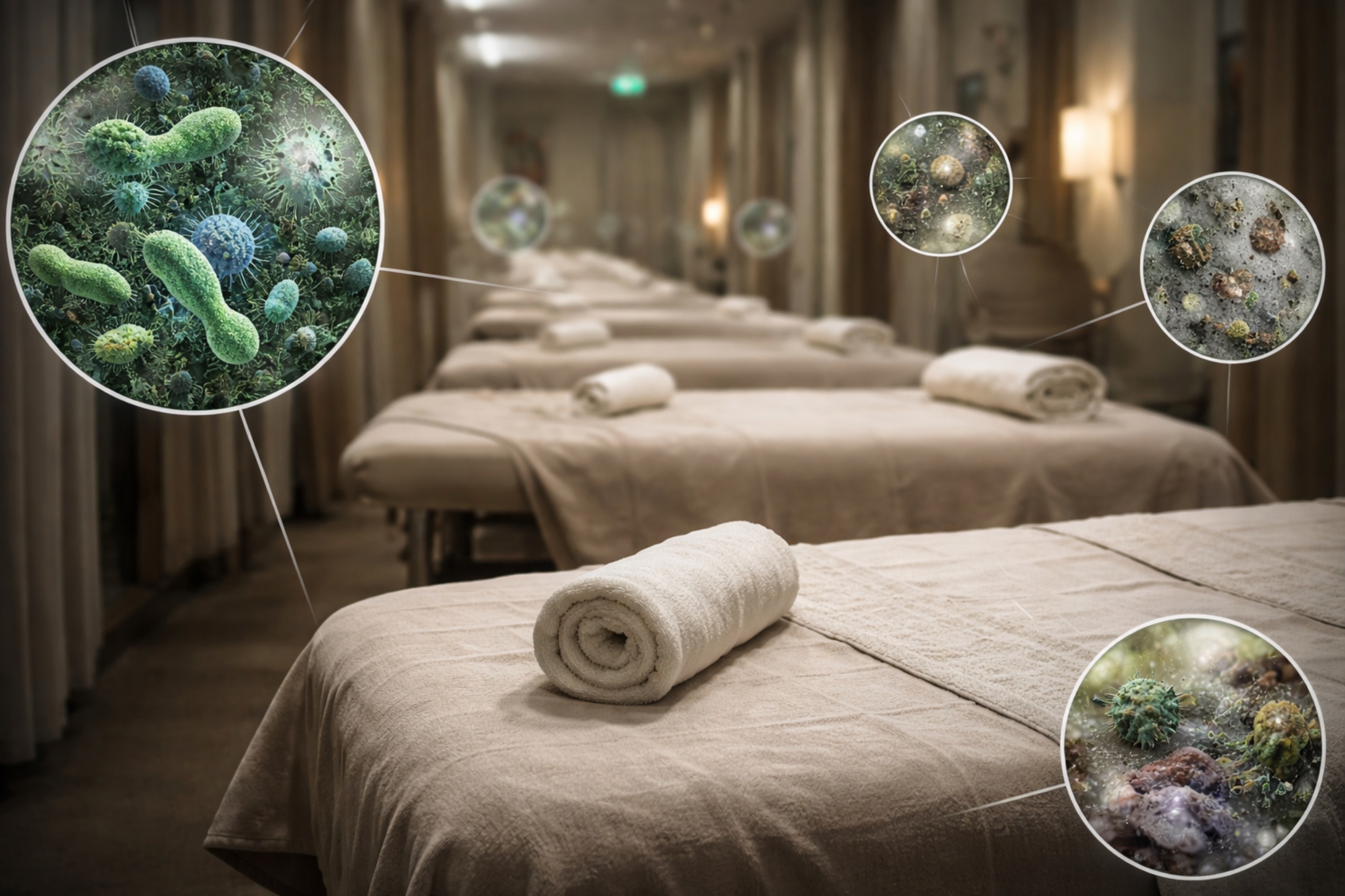
Japan has many reputable salons—but the broader market varies widely. In a storefront setting, you’re relying on the shop’s routines in a high-traffic environment.
Shared Facilities and High Turnover
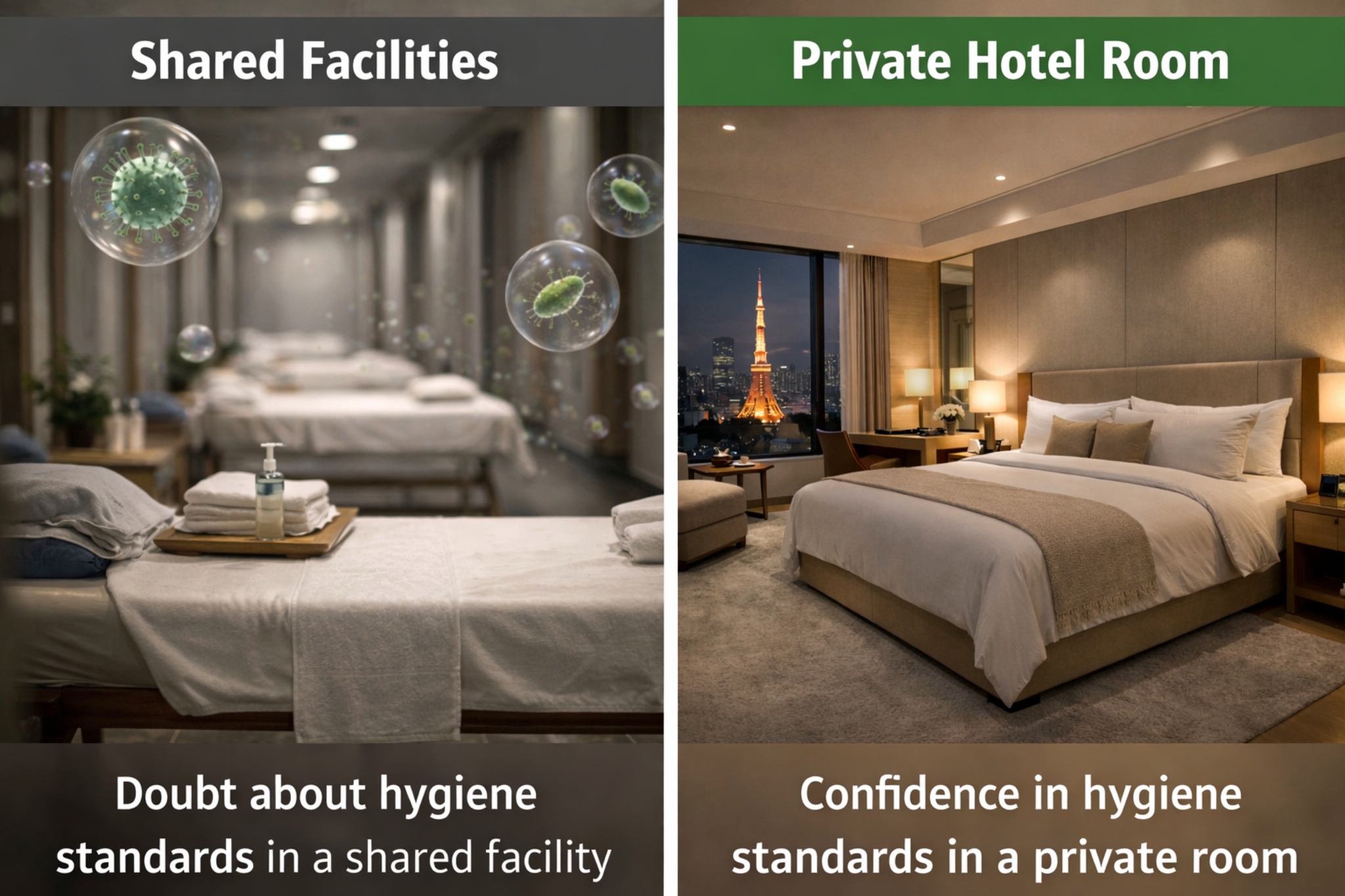
In a busy storefront, tables, linens, showers, and common areas are used repeatedly throughout the day. Good places clean thoroughly; less reputable ones may cut corners. As a customer, you can’t easily verify cleaning frequency or staff standards before committing.
What “Professional Hygiene” Should Look Like
At a minimum, you want clean linens each time, sanitized tools and surfaces, and consistent procedures between clients. The problem with storefront visits is that you often don’t know what you’re getting until you’re already there.
Why In-Room Outcall Has Structural Advantages
Now compare that with a reputable, professional outcall service. The biggest difference is structural: the model is designed to minimize variables. When the service comes to your hotel, many of the storefront risks simply disappear.
Advantage #1: Safety Starts with Not Going Out
No Street Risk
You’re not walking around looking for a shop, and you’re not dealing with touts. You stay in a familiar, controlled setting.
Your Hotel Room Is a Controlled Environment
With in-room service, everything happens in your private space. That control alone makes many people feel more comfortable, especially on a first visit.
Advantage #2: Discretion Is Built In
Outcall service turns the experience into a private appointment rather than a public outing.
Private Appointment, Not a Public Visit
No storefront entrance, no shared lobby, no need to be seen walking into a shop. For many travelers, that’s the point.
Hotel-Etiquette Matters
High-end services train staff to move through luxury hotels quietly and professionally—similar to any other private guest visit.
Advantage #3: Hygiene Can Be Stronger in Practice
This part is often overlooked: a professional in-room service can be more hygienic simply because it avoids shared facilities.
A Single-Use Setting
Your hotel room isn’t a high-traffic shop. A professional provider brings cleaned and sanitized equipment for your session, which reduces the “unknowns” that come with shared storefront environments.
Reputation Creates Accountability
Reputable services live and die by trust. Hygiene standards aren’t just “nice to have”—they’re essential to repeat business and long-term credibility.
Side-by-Side Comparison: What Matters in Real Life
| Factor | Storefront Model | Professional In-Room (Outcall) Model |
|---|---|---|
| Safety | Higher risk of street stress (touts, scams) and unfamiliar locations. | Safer for many guests because you stay in your hotel and avoid street variables. |
| Discretion | Public by nature (entrances, reception areas, being seen). | Private appointment in your room with minimal exposure. |
| Hygiene | Varies; shared facilities and turnover make standards harder to judge. | Often easier to control due to a single-use setting and dedicated equipment. |
| Language Barrier | Can be significant; many shops have limited English. | Services for foreigners typically provide fluent English support. |
| Convenience | Requires travel and fixed shop hours. | Comes to you and fits your schedule more easily. |
Moving Beyond the Storefront: A More Controlled Experience
This Is About Control, Not Just Comfort
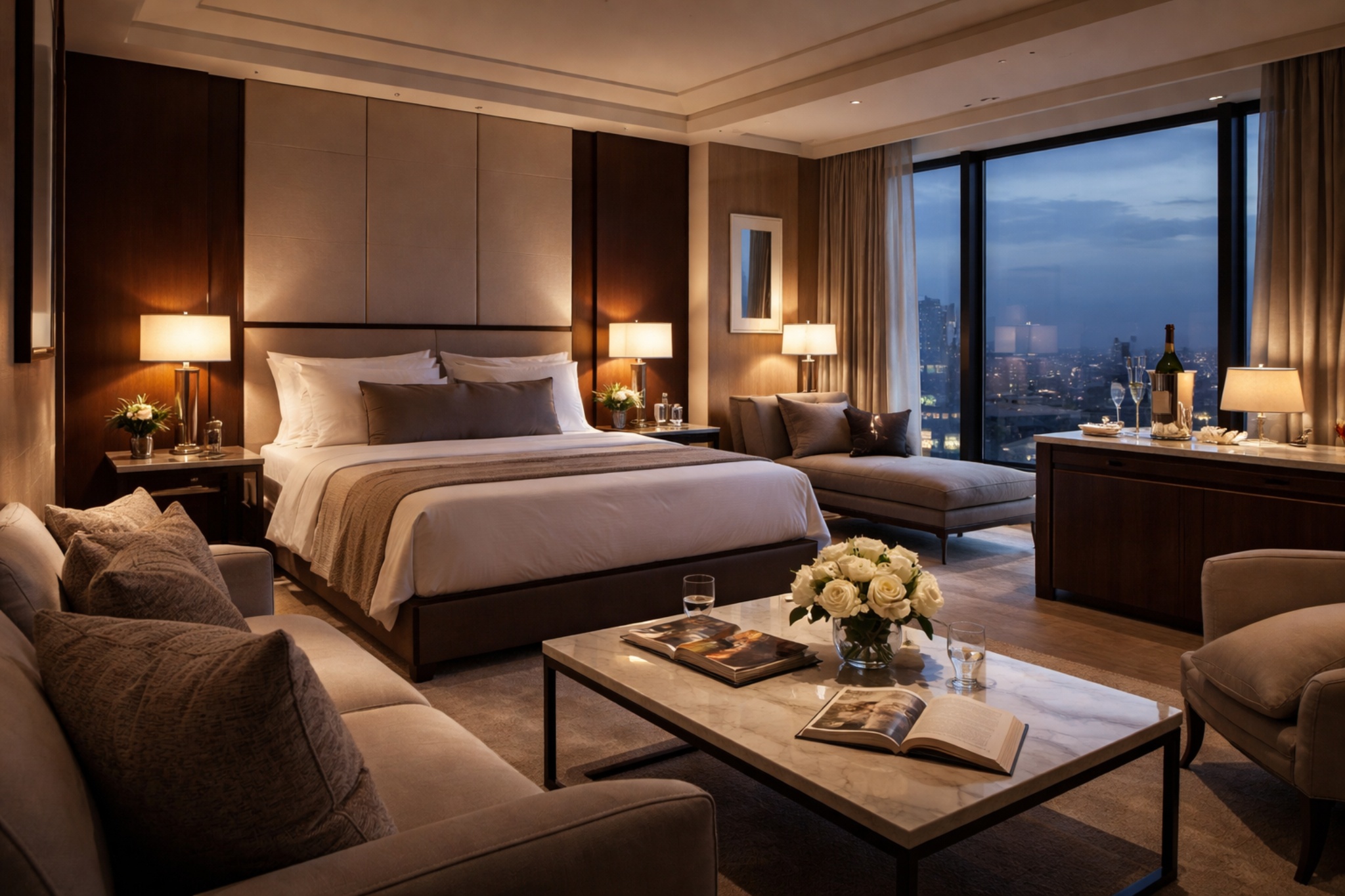
The takeaway is simple: if safety, discretion, and hygiene are your priorities, in-room outcall tends to be the more controlled option. It reduces street risk, limits public exposure, and avoids shared storefront facilities.
Introducing MIRAI TOKYO
MIRAI TOKYO was built for travelers who don’t want to gamble with comfort or privacy. We focus on a professional in-room model designed to keep the experience calm, discreet, and straightforward for international guests.
How MIRAI TOKYO Aims to Deliver a Higher Standard
Safety and Privacy
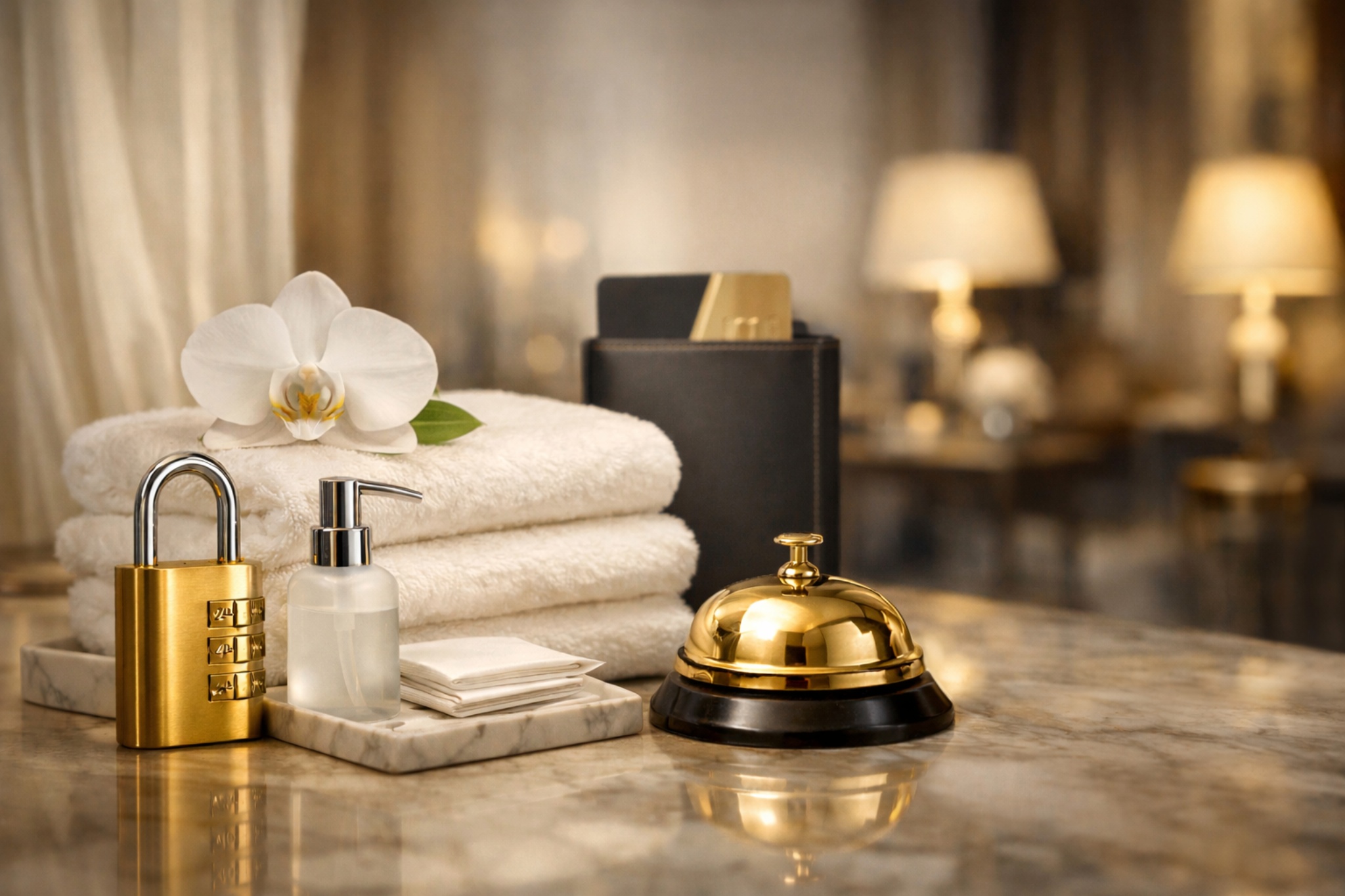
We operate as an in-room service to reduce unnecessary risks. Staff are trained to move through luxury hotel environments discreetly, and booking information is handled with strict confidentiality.
Hygiene Standards
We treat hygiene as a basic requirement, not a selling point. Equipment is sanitized and procedures are kept consistent so guests can relax without second-guessing.
Verifiable Quality and English Support
We aim to remove guesswork by presenting a verifiable roster and providing fluent English support from concierge to cast, so the experience feels smooth from start to finish.
Frequently Asked Questions
Conclusion: The Simpler Choice When Safety and Privacy Matter

If you care most about safety, discretion, and hygiene, the storefront route often creates unnecessary variables. An in-room outcall service keeps things simpler: you stay in your hotel, avoid street risks, and keep the experience private.
Don’t leave peace of mind to chance. Choose the option that gives you more control and fewer surprises.
Luxury means trust, respect, and quiet confidence.
Choose a Safer, More Discreet & Hygienic In-Room Experience in Tokyo
If safety, discretion, and hygiene are your priorities, an in-room service model is often the most comfortable and controlled choice for international travelers.
About This Guide’s Reliability
This article was compiled and reviewed by a concierge team experienced with international travelers in Tokyo. It explains practical risks and outlines professional standards for safety, discretion, hygiene, and English support within in-room hospitality services.